Guided Backcountry Ski Tours Trips in Rogers Pass, Canada
Trip Overview & Availability
Location
duration
5 ski days, 6 nights
Price per person
6 person trip
CAD$1950
US$1,400
4 person trip
CAD$2,930
US$2,110
AVAILABLE DATES
2027
March 9-15
March 17-23
Big Descents, Alpine Summits & Glaciers Expert Local Guide
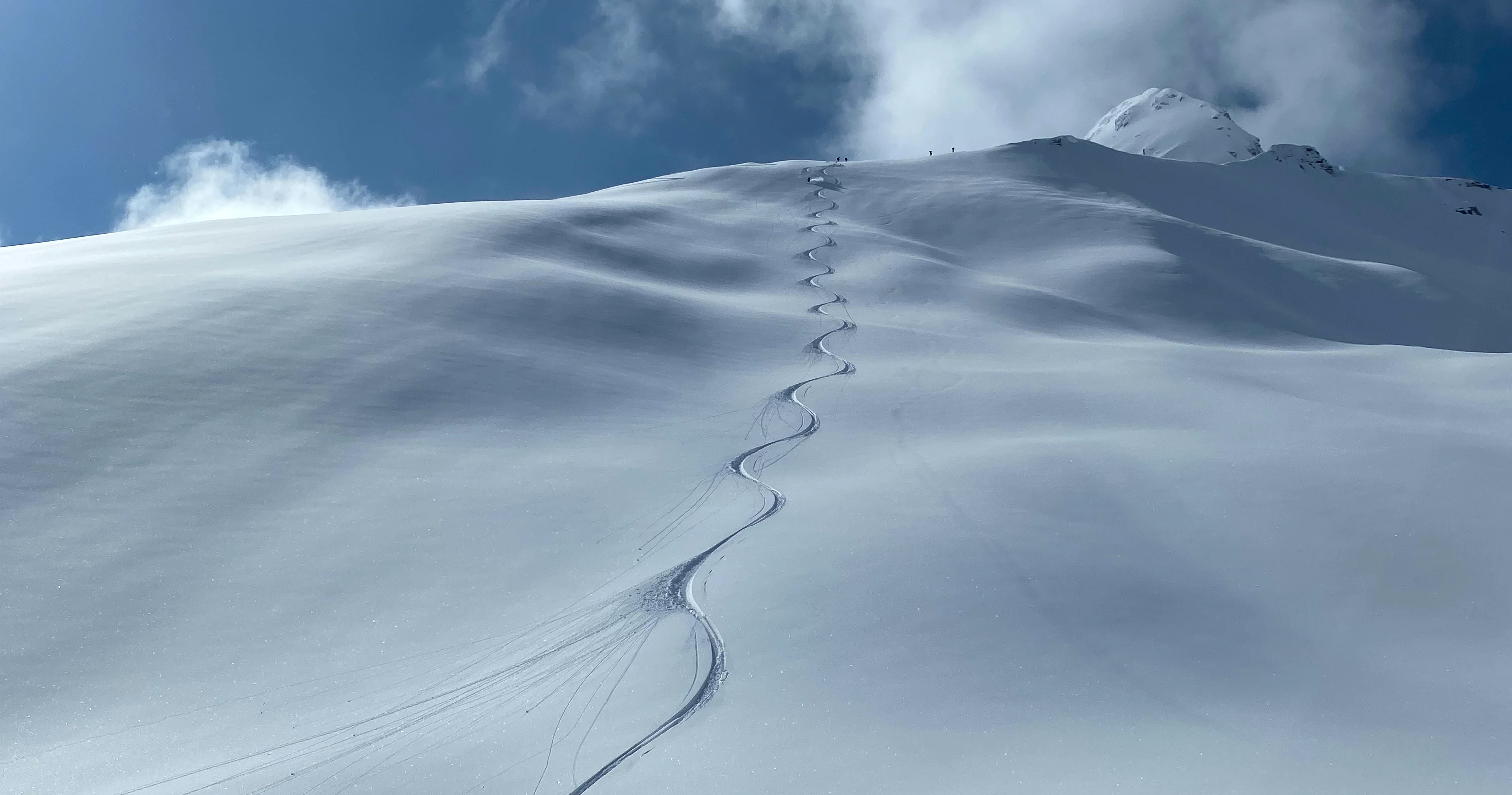
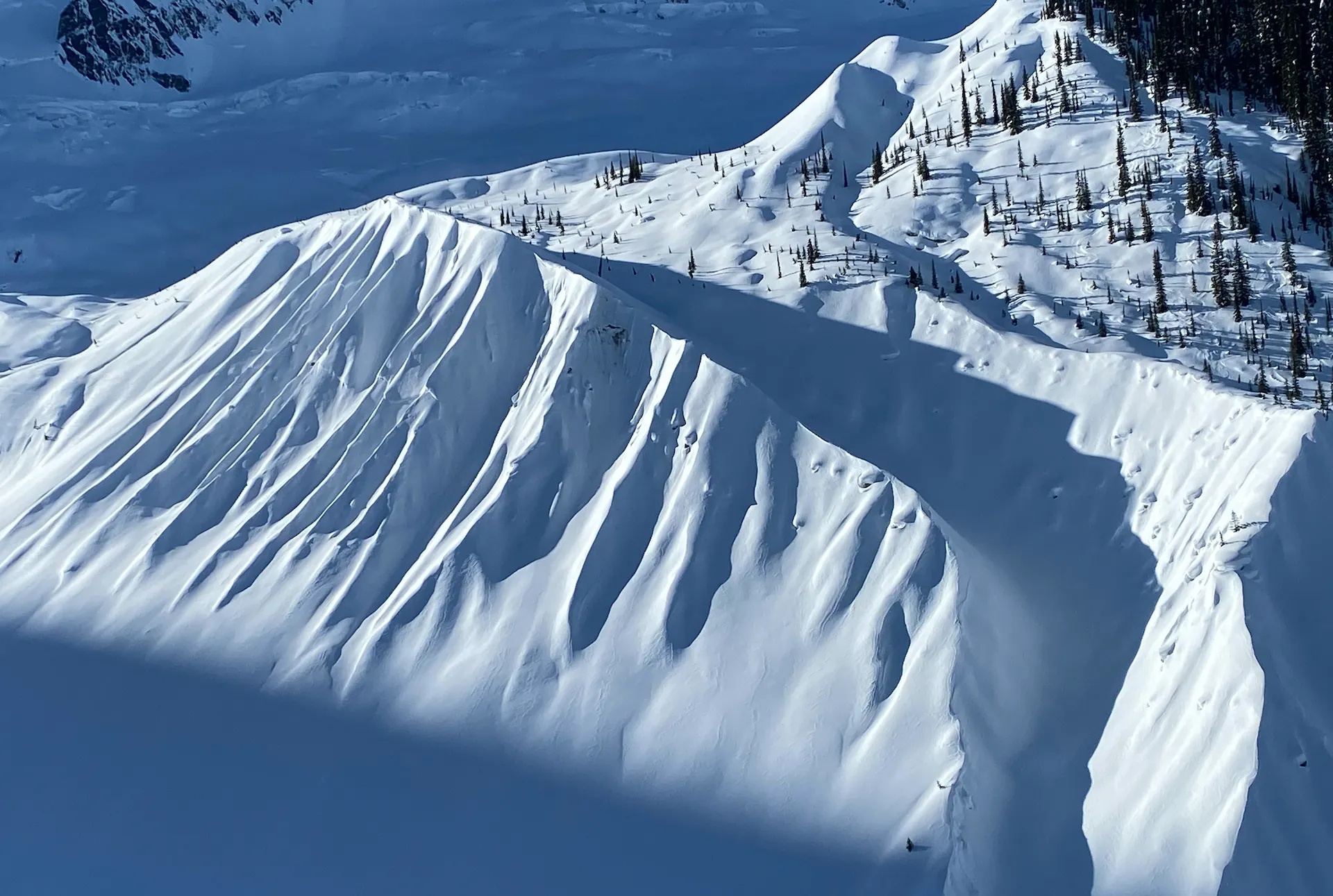
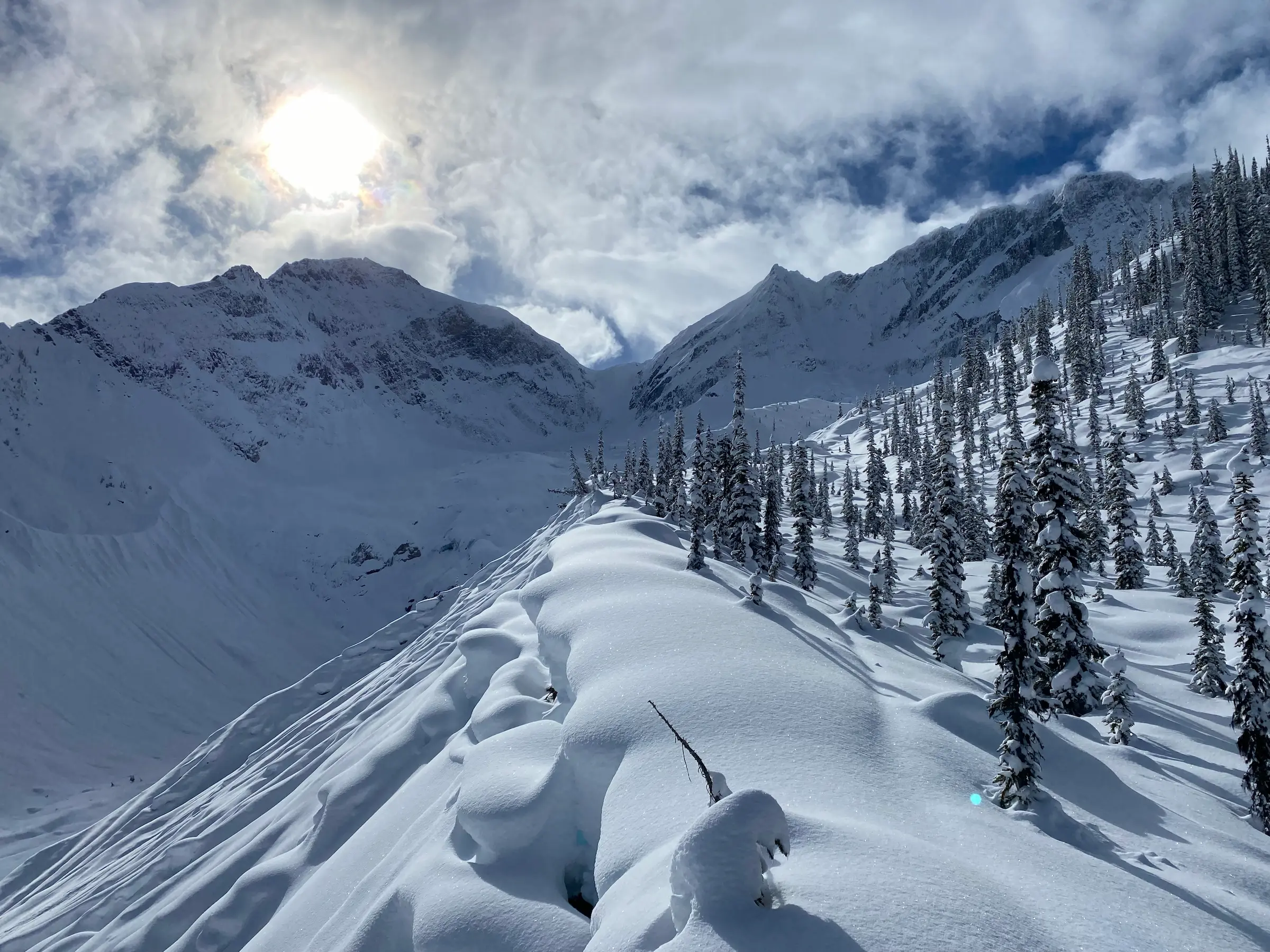
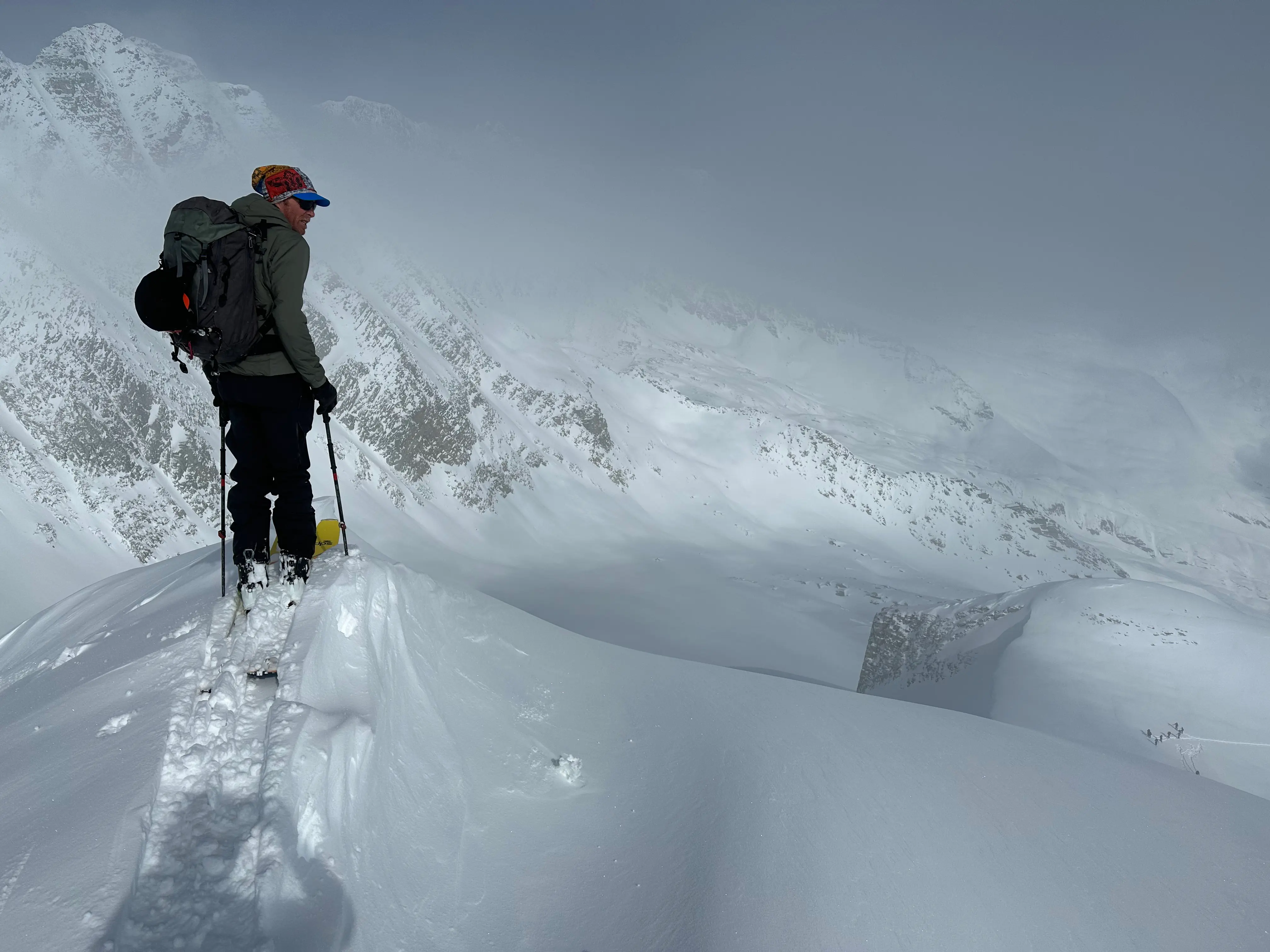
Classic big alpine terrain. Huge fall-line descents. Perfect boot-top powder. Summits, glaciers, and small ski town vibes.
A small group of either 4 or 6 persons is led by a certified ACMG ski guide with deep local terrain and snowpack knowledge, who has been exploring Rogers Pass since 2002.
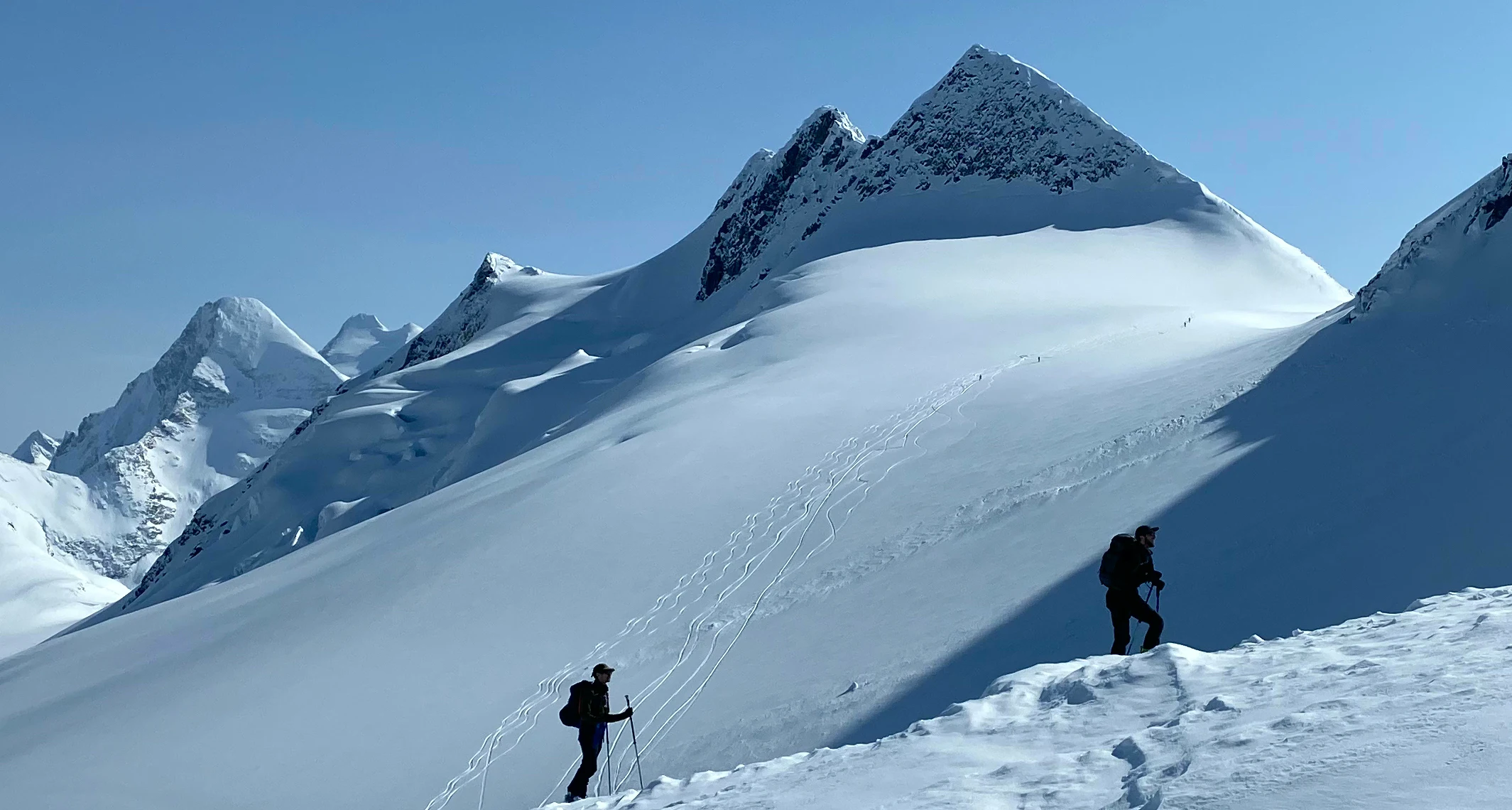
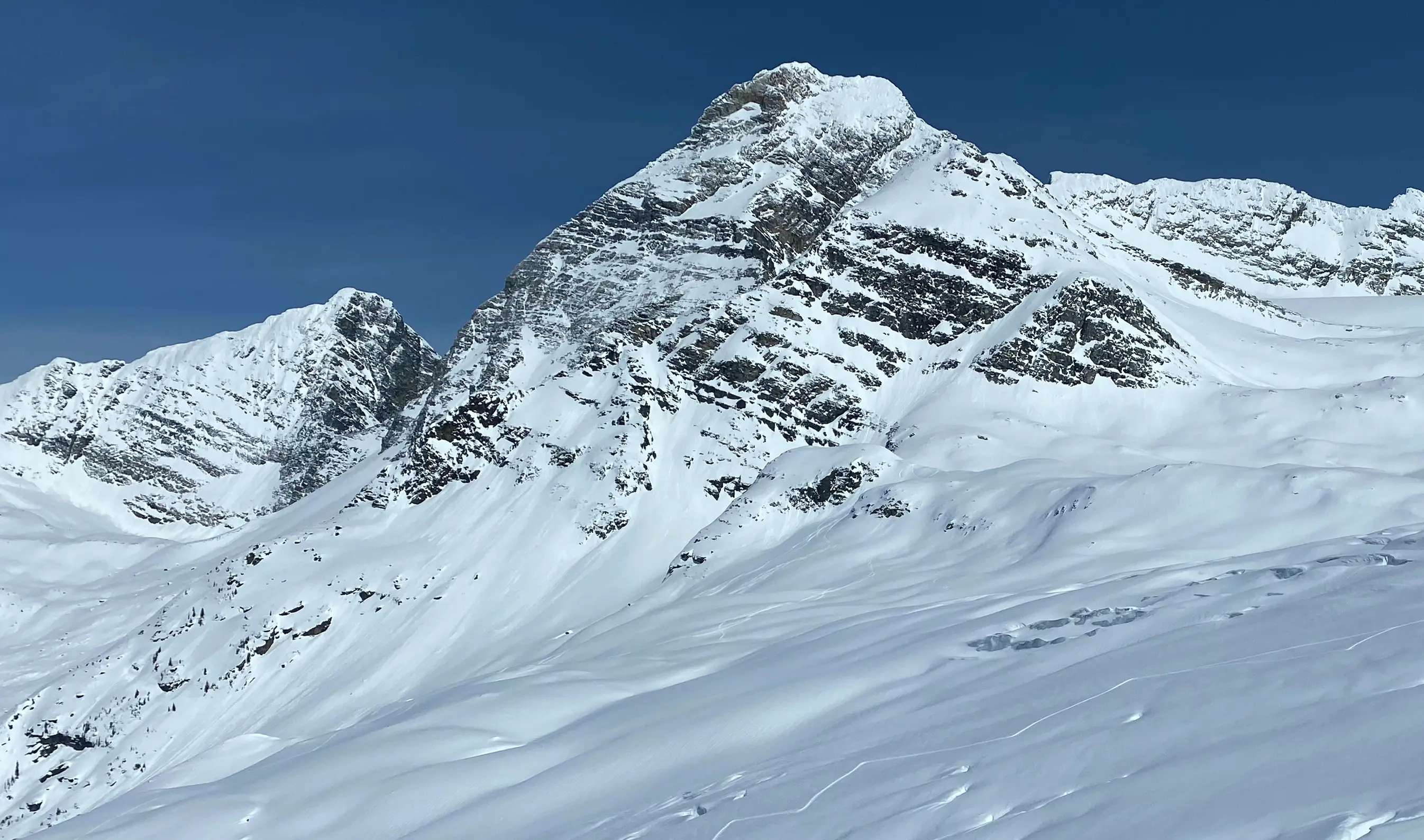
Rogers Pass is Canada’s premier destination for big alpine ski touring, offering remarkably easy trailhead access to numerous world-class zones.
Designed for experienced backcountry skiers & riders, this trip blends expert decision-making and risk management with glacier travel, summit objectives, and unforgettable descents in complex alpine terrain.
R.P Area Stats.
14 metres of annual snowfall at treeline
7 easily accessible glaciers to ski
6 major valleys to access
4 easy and regularly achieved ski summits to 2922m
Regular long fall line descents of 1300-1600m of vertical
100s of incredible runs and descents to experience
1 National Park, No sleds!
1 guide 4-6 guests, countless moments of alpine skiing bliss
What's Included?
ACMG-Certified Ski Guide with deep local knowledge of Rogers Pass
5 days of guided ski touring in iconic Canadian alpine terrain
6 nights twin-share lodging in Revelstoke – Canada’s big-mountain base
Small group (4–6 guests) for flexibility in complex terrain
Avalanche safety refresher & rescue practice on Day 1
Private SUV with your guide as driver
Airport pickup/drop-off from Kelowna (YLW) included
Winter permits for restricted areas in Glacier National Park
Arts Revelstoke tickets to local cultural events (when available)
Canada’s Premier Alpine Ski Touring Destination, within Glacier National Park
I’ve spent two decades exploring this incredible zone, and it continues to deliver high-quality adventure ski touring. The sheer abundance of world-class alpine ski touring terrain is staggering, with seven access points along 24 kilometres of Trans-Canada Highway.
British Columbia's Interior Ranges
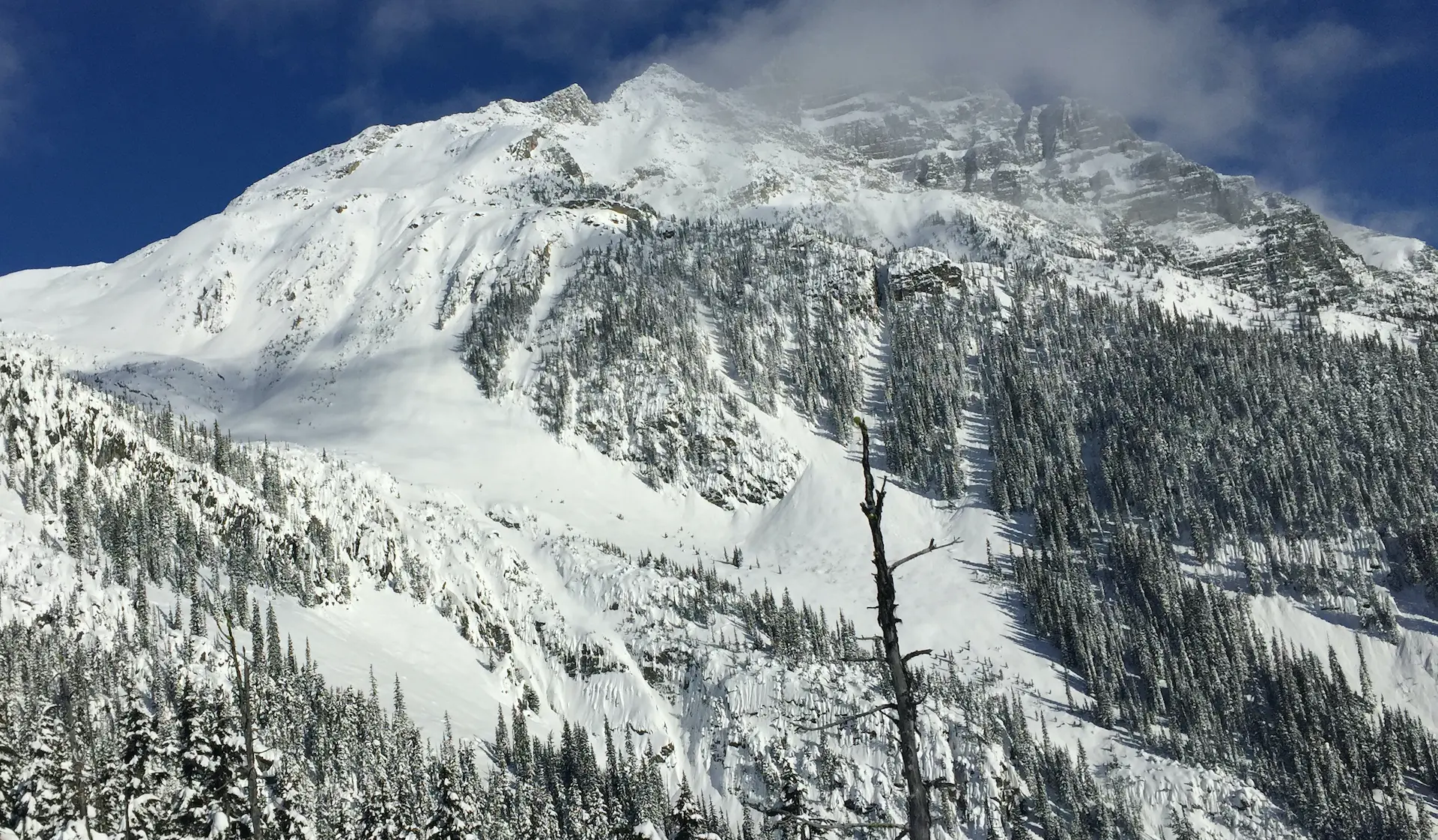
Rogers Pass sits at the northern, higher-elevation end of British Columbia’s Selkirk Mountains, cradled between the Monashee and Purcell ranges in what’s often called the “Goldilocks zone” of the Interior Ranges. With an average of 10 metres (32.5 feet) of cold, dry snowfall each year, it offers consistently reliable powder skiing. Located within Glacier National Park, where motorized backcountry travel is prohibited, it stands as the country’s premier destination for human-powered ski adventures.
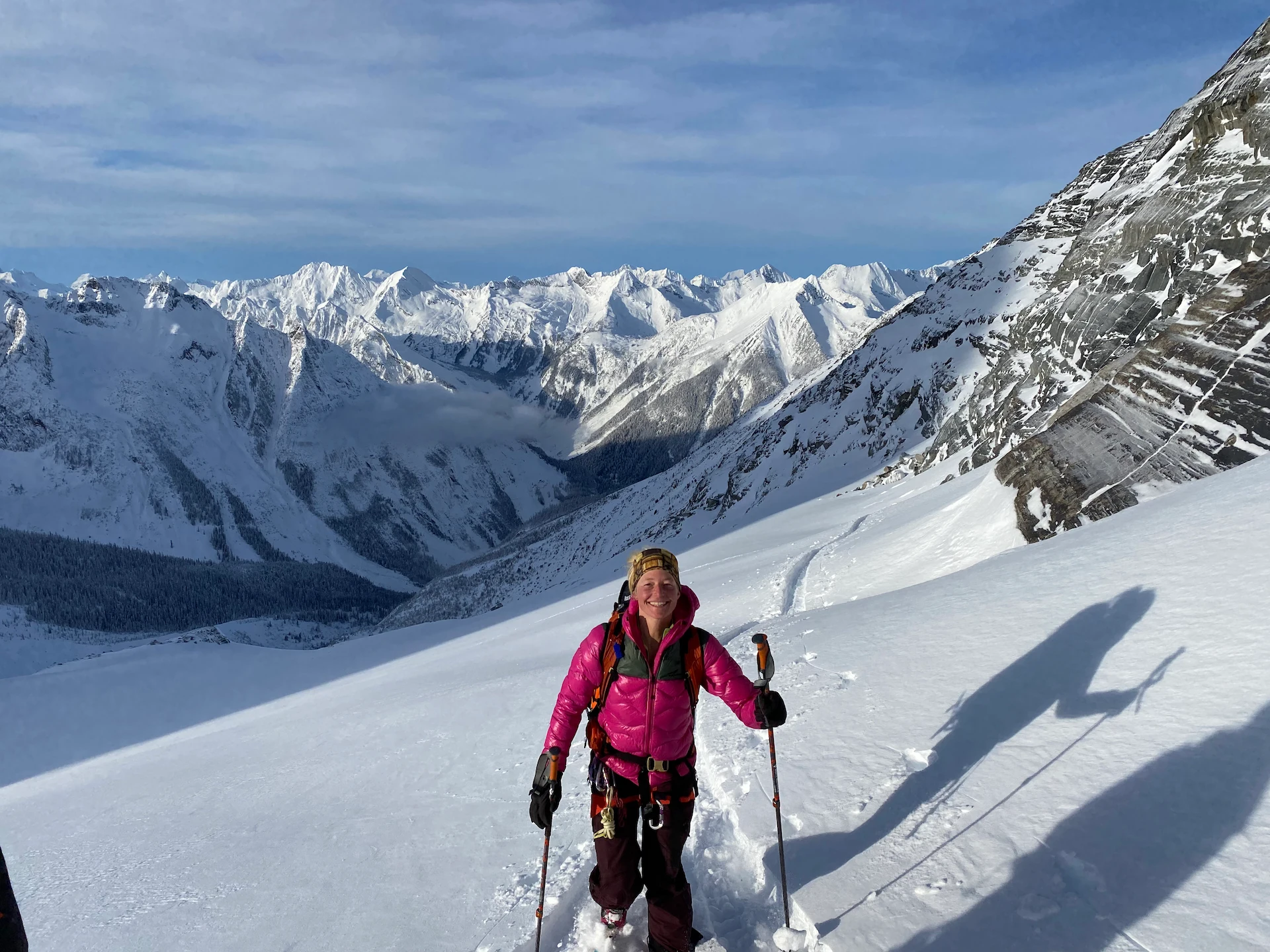
This iconic region offers some of the finest alpine touring in North America, thanks to its combination of accessible and skiable terrain, glaciated features, and consistent snowfall. The landscape is classic Selkirks: narrow valleys, steep, sustained fall lines, broad alpine glaciers and icefields. Vertical relief is significant, with many peaks rising above 3,000 metres and valley floors sitting between 1,000 and 1,300 metres, making for long climbs and epic descents.

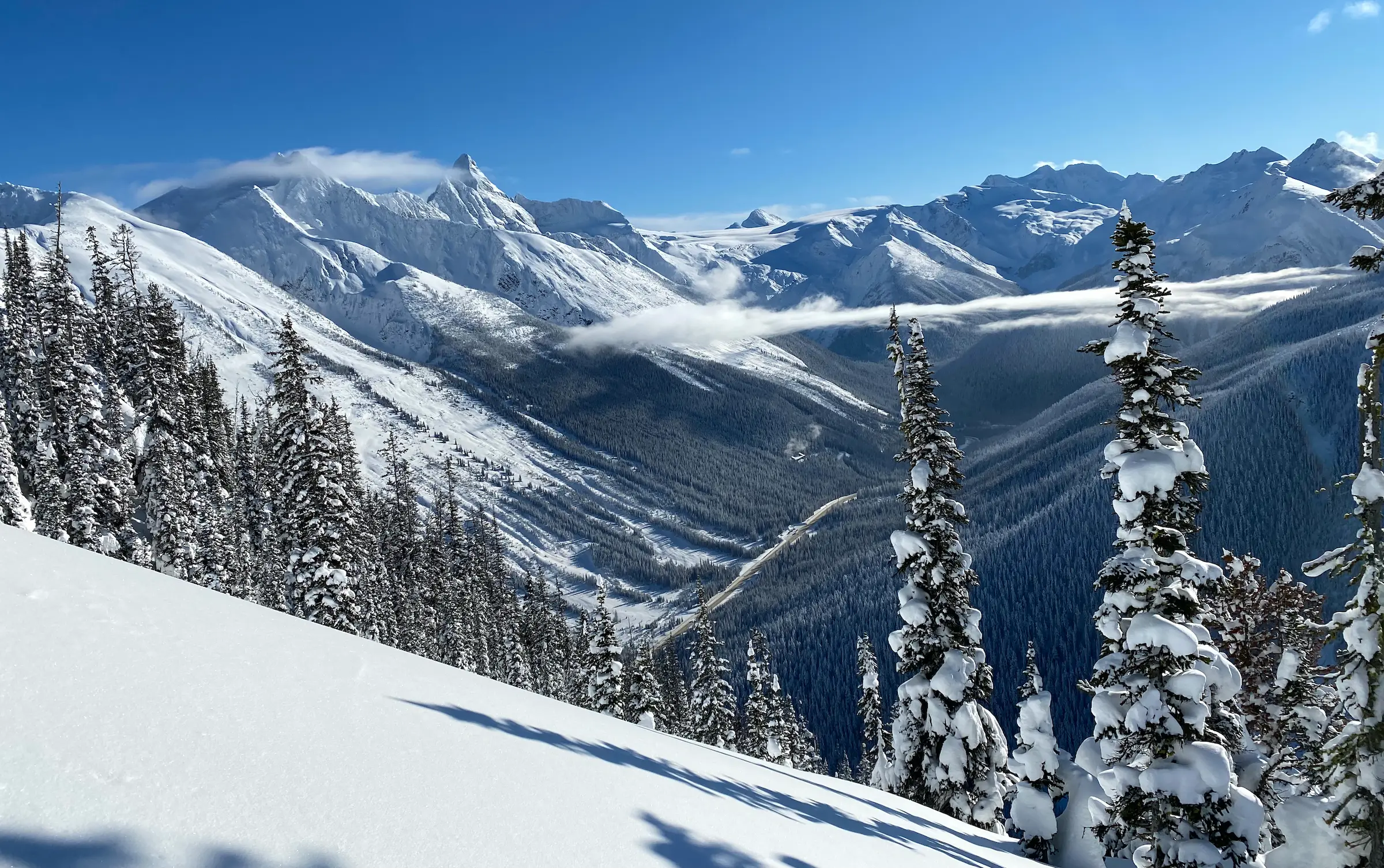
Early Spring = Summits, Glacier travel & Big Descents
Rogers Pass truly comes into its own as winter transitions into spring. Early season can be challenging, with limited safe tree skiing and poor visibility in the alpine. Frequent winter storm cycles hammer the range, and related avalanche control closures are common to protect highway travellers.
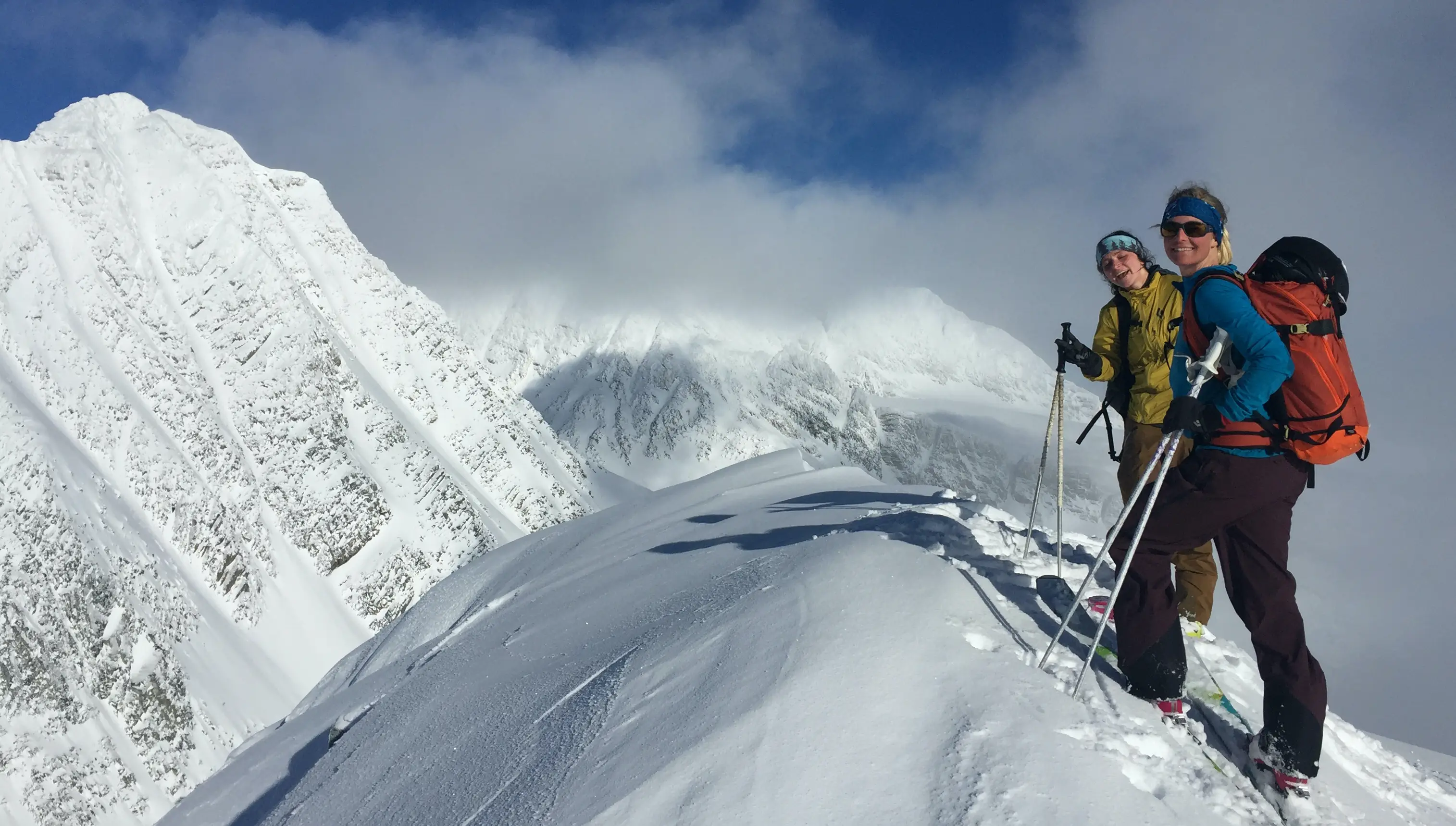
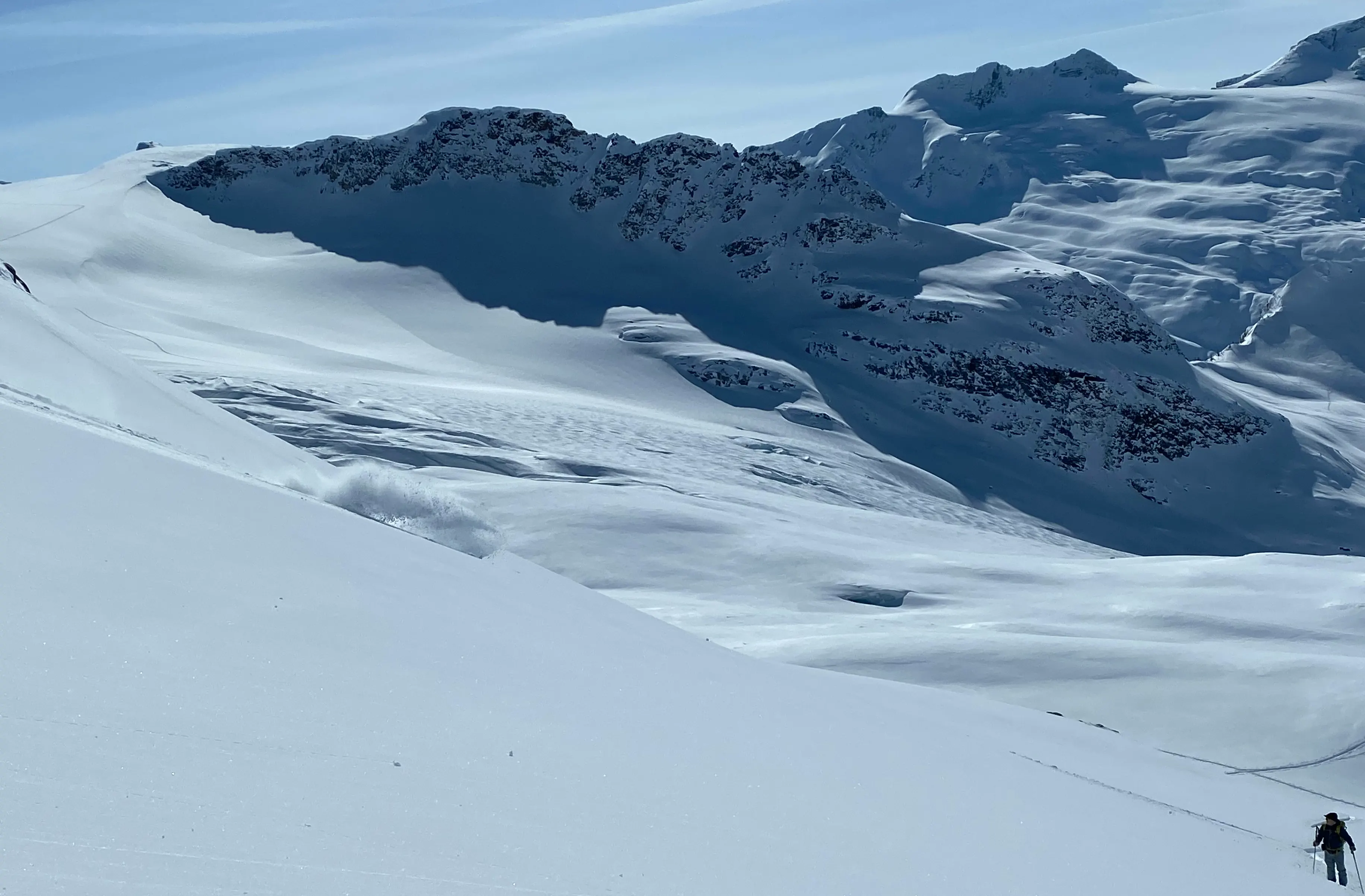
By late February, winter starts to give way to spring, and conditions begin to shift. Storms become less frequent but still deliver regular top-ups of fresh snow. In between, cold and stable high-pressure systems settle in. By now, the glaciers are typically well covered, and the crevasse bridging is more reliable. This is the season for big alpine objectives, glacier travel, summit pushes, and unforgettable descents.
Several classic ski summits, regularly achieved, rise to elevations of up to 2,900 metres. Long, uninterrupted fall-line descents of 1,300 to 1,600 vertical metres are standard. And for those with the stamina, even higher peaks and bigger vertical descents are well within reach.
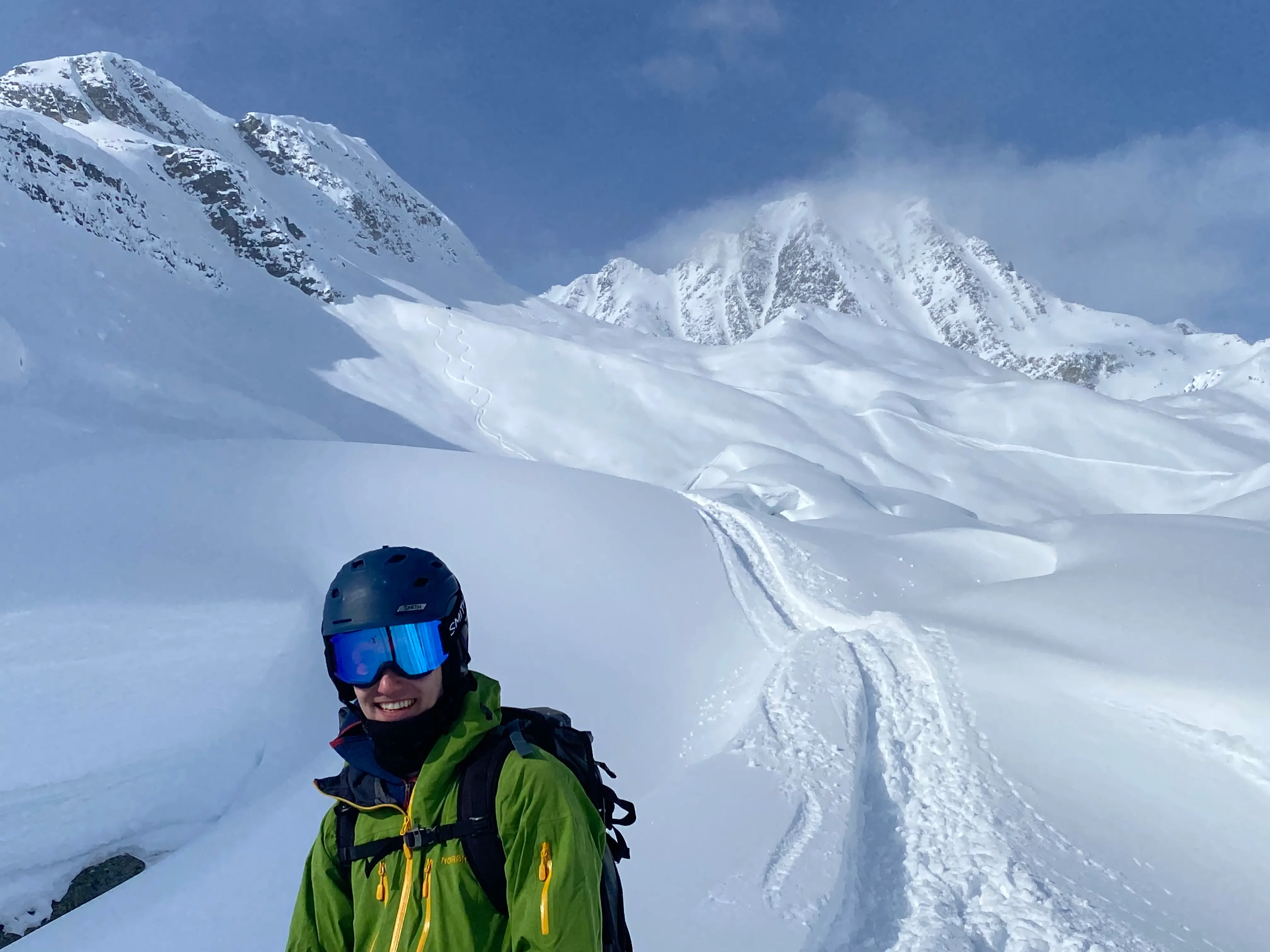
The Ski Descents: Alpine Bowls, Glaciers & Optional Steeps
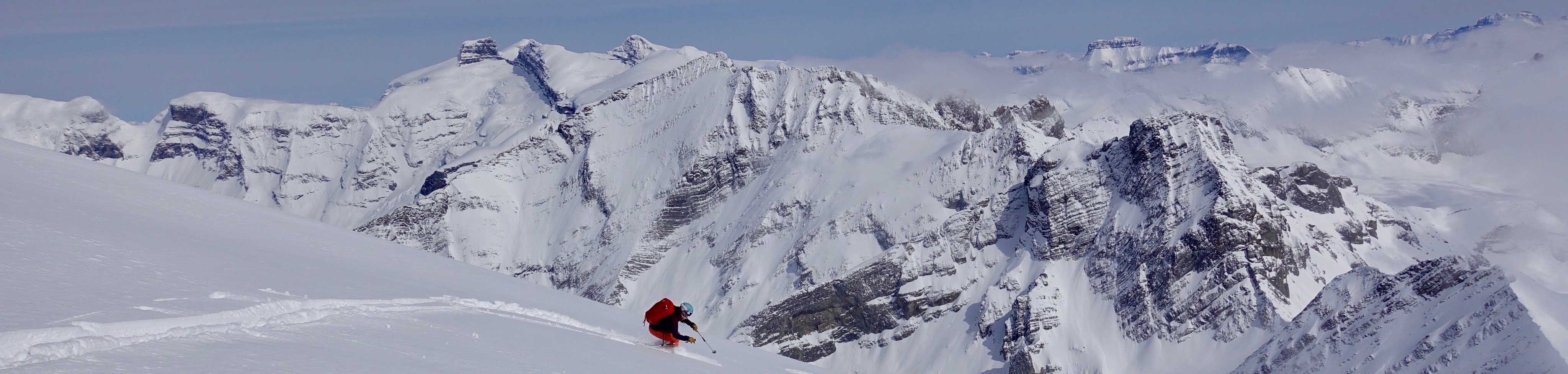
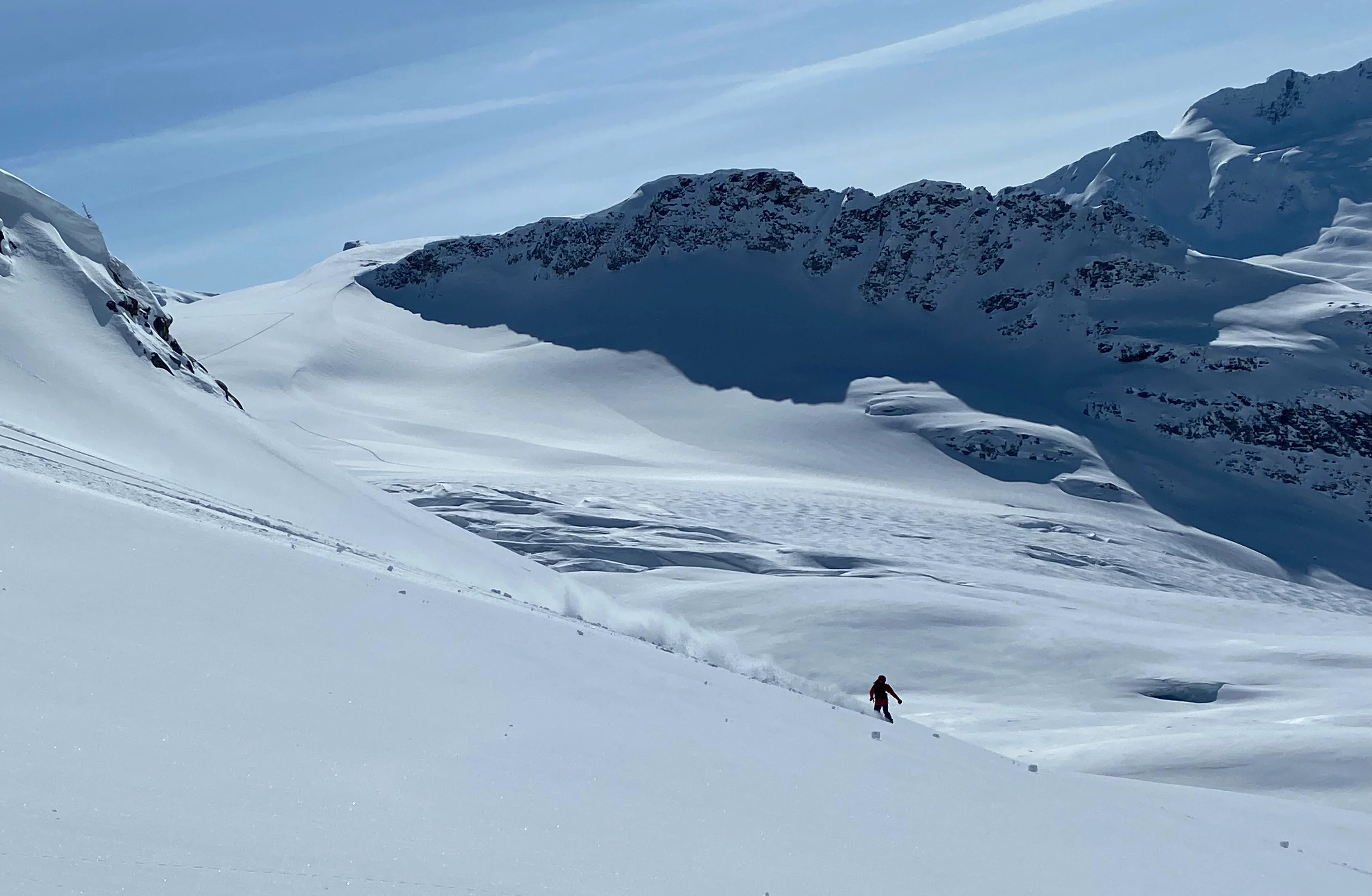
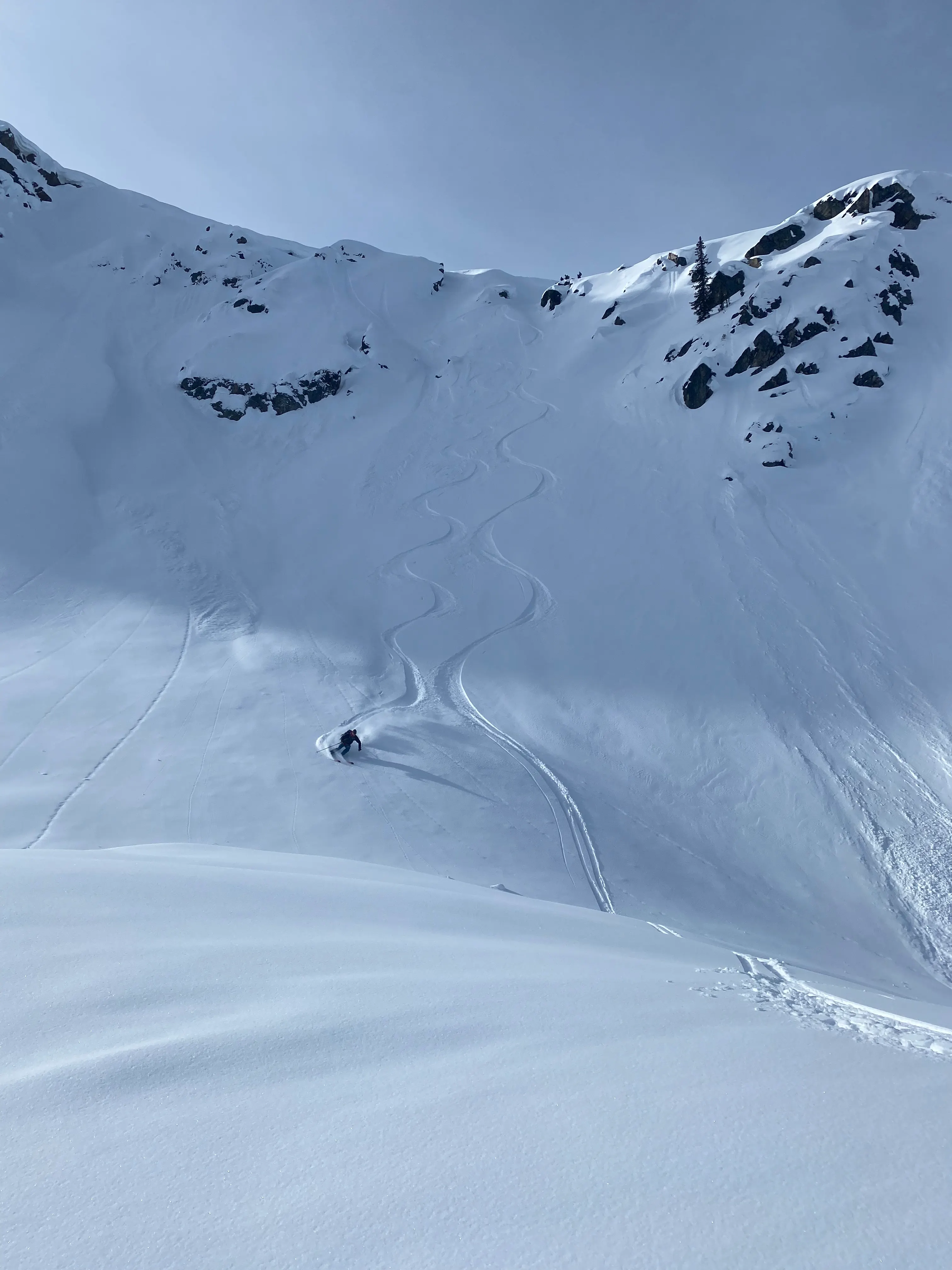
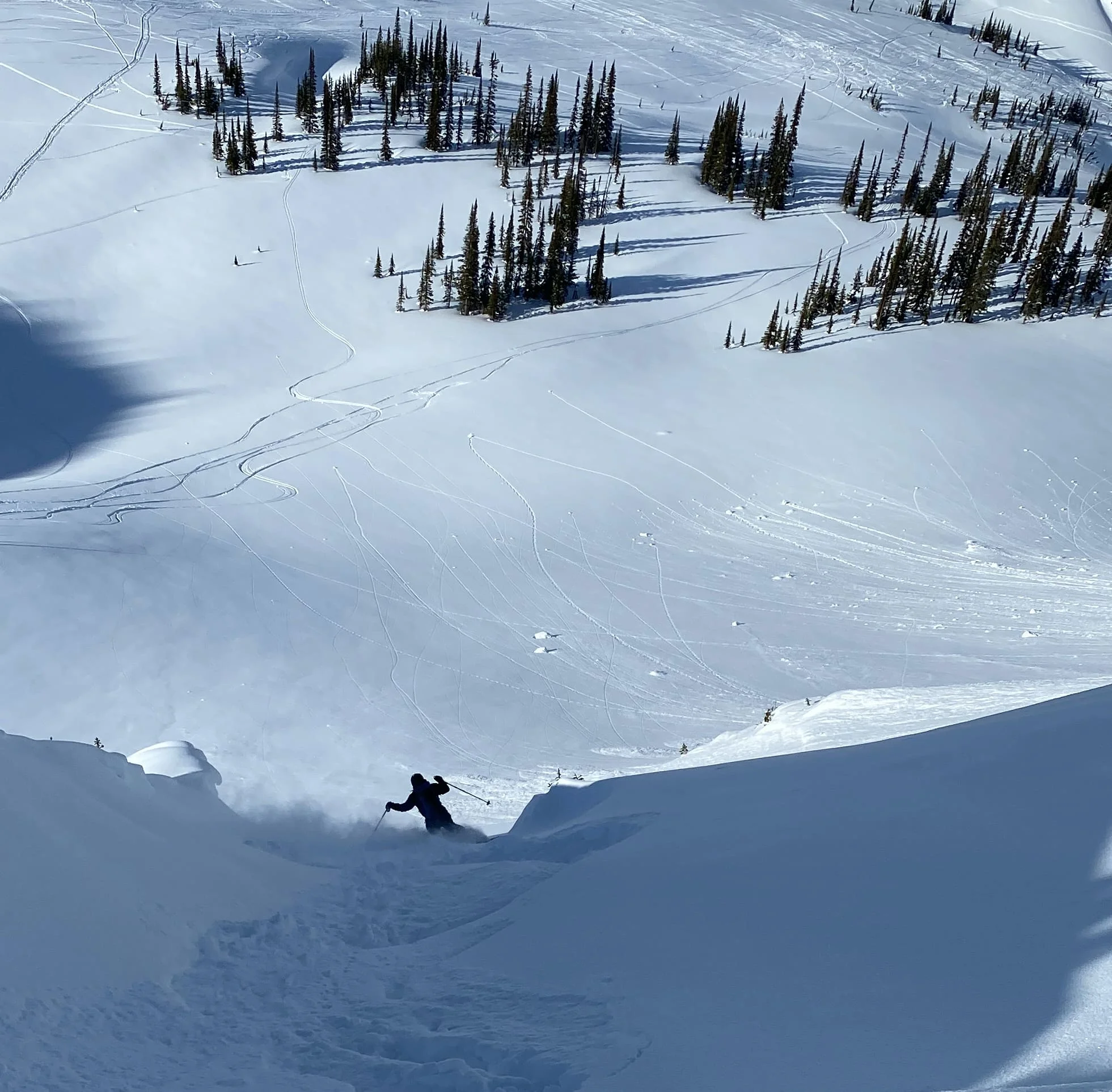
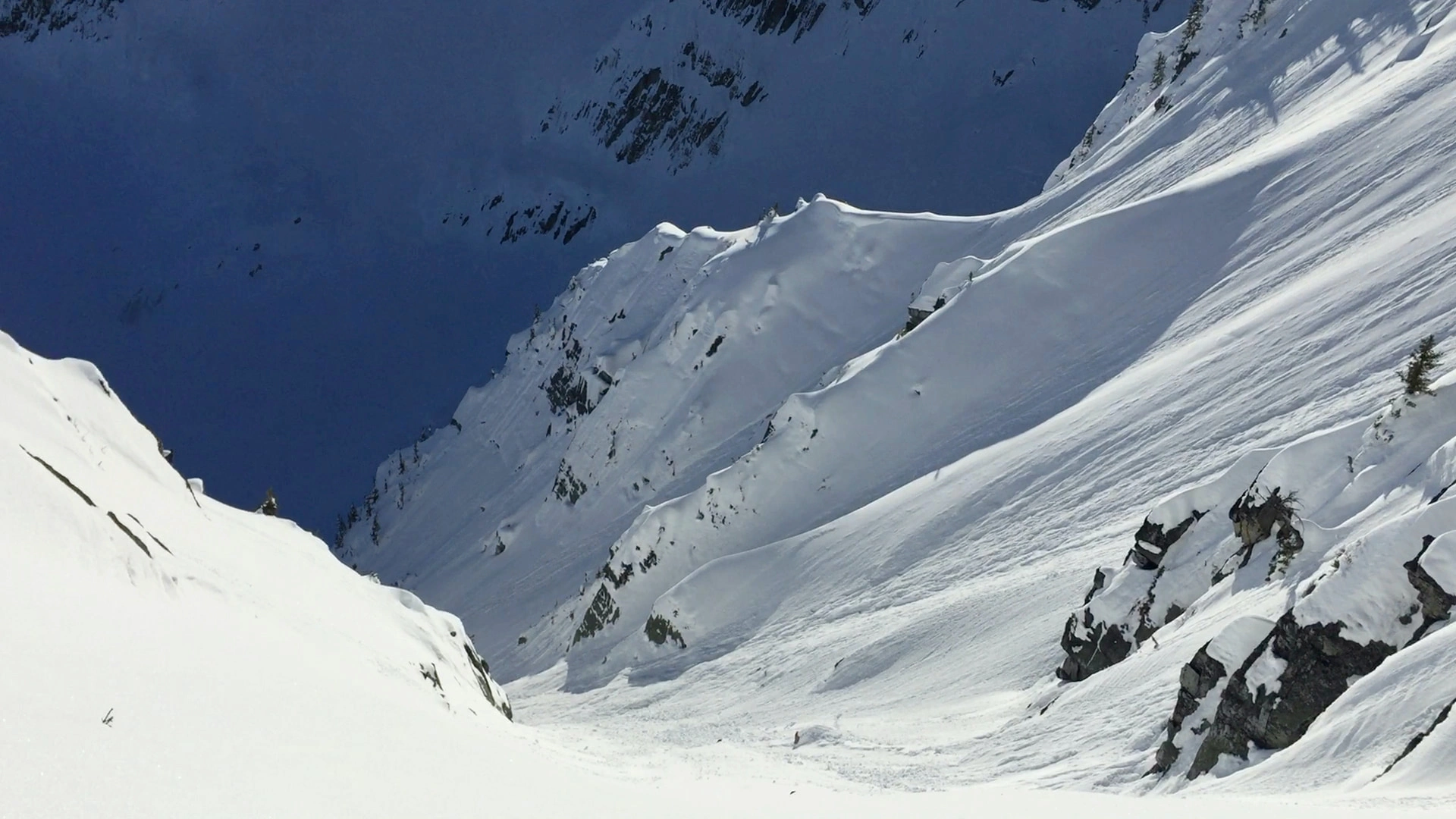
Most of the ski descents take place in expansive alpine terrain, think wide-open slopes with a mix of characteristics. Some areas are smooth and planar, good for high-speed GS turns, while others require more engagement due to interesting micro features. On occasion, we visit areas that offer multiple options for private lines, including narrower features, chutes, or steeper, more confined terrain. These sections are entirely optional, but they can be a great opportunity to practice skiing steeper, technical lines in a low-consequence environment. It’s not unusual to ski on glaciers, whether it’s down broad glaciated headwall rolls or more mellow sections, sometimes with views of broken sections of exposed ice.
In most cases, we complete a loop: ascending one valley or piece of terrain and descending into another. The route up typically follows the lowest-angle terrain, while the way down is chosen for the best skiing.
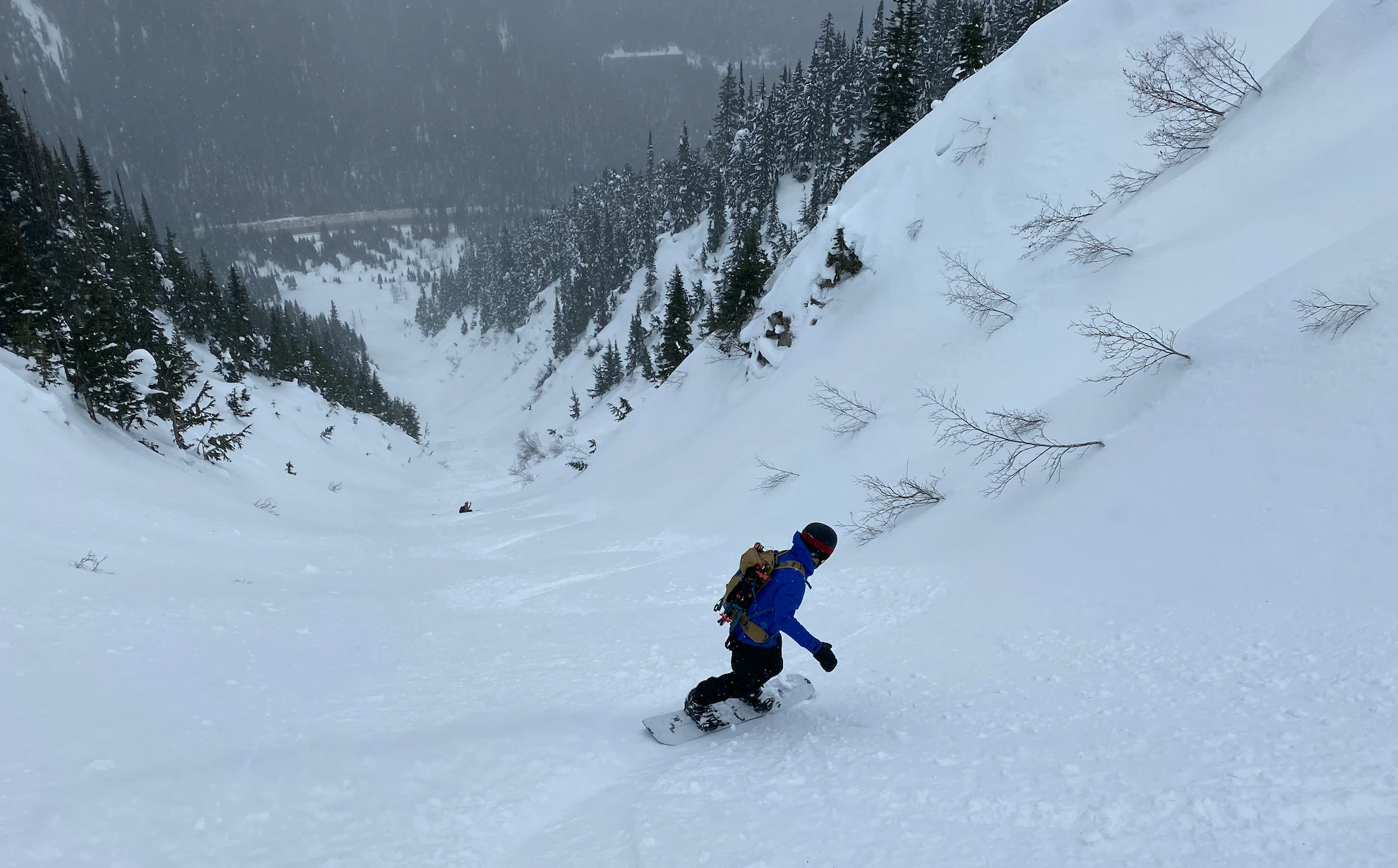
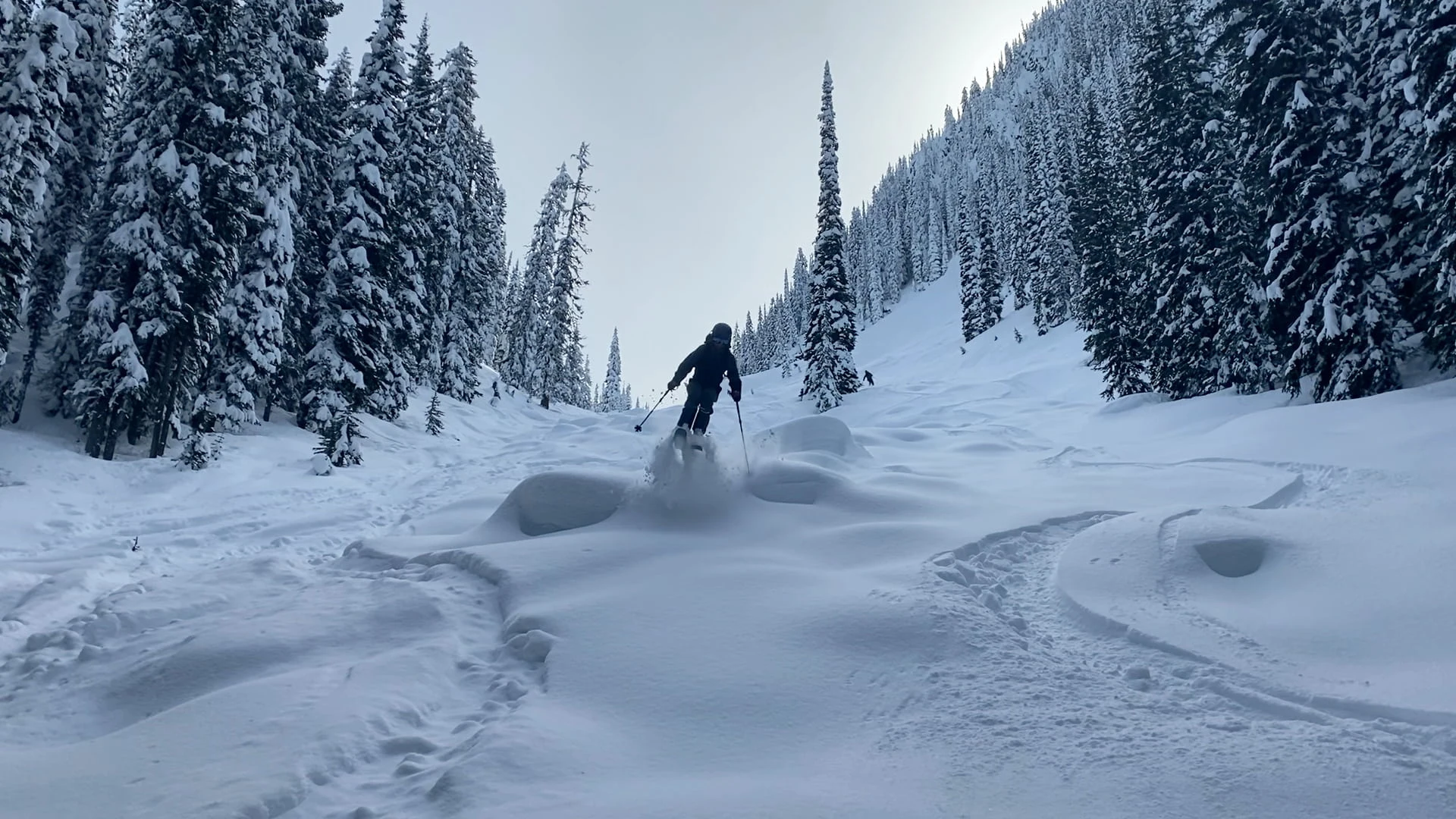
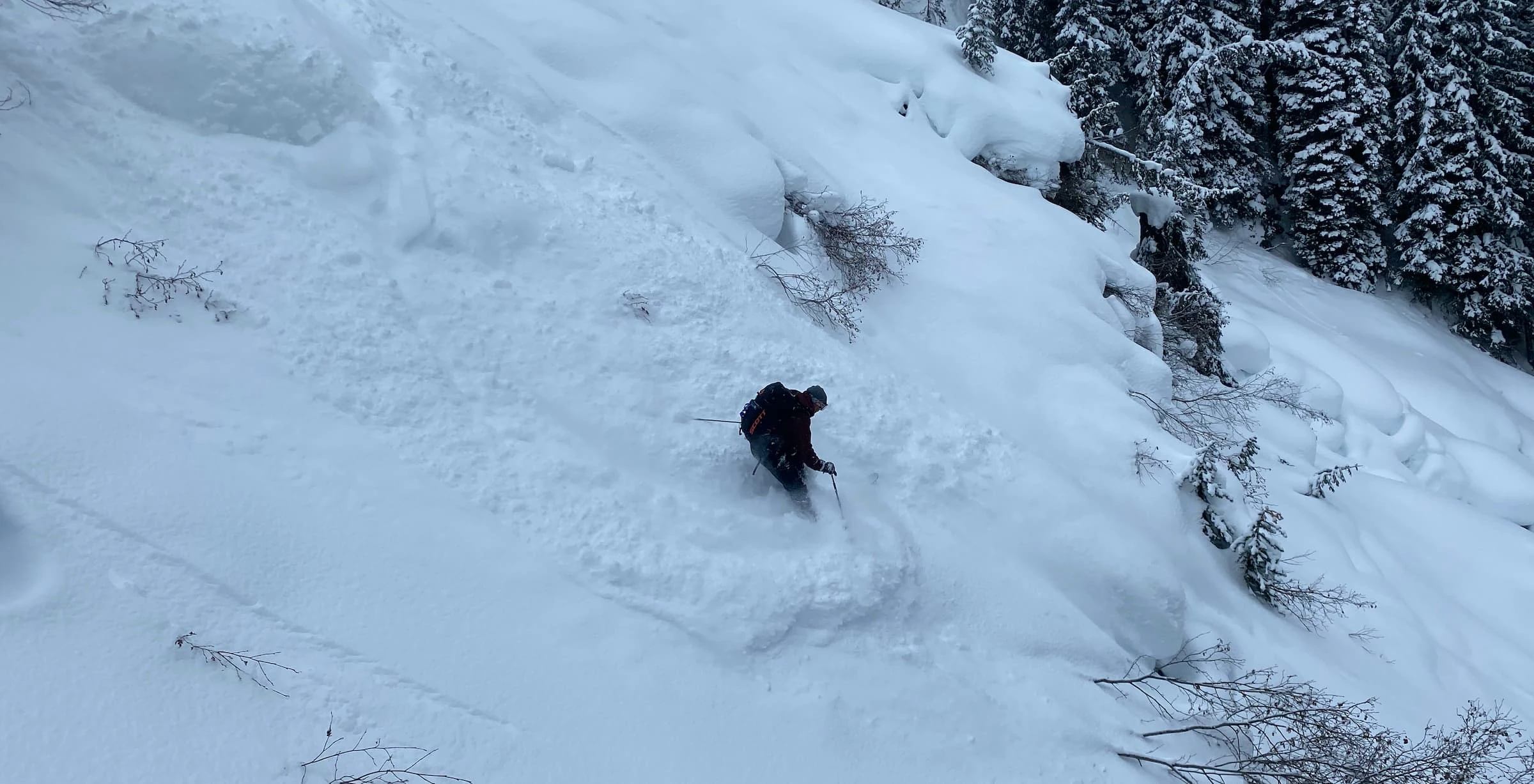
As we near the treeline, we often connect into massive avalanche paths that have carved wide swathes through mature forest. These zones offer engaging skiing, with irregular terrain and the occasional pillows to play on. Some tours involve minimal valley-bottom travel, while others include a mix of passive gliding across low-angle terrain or navigating a “luge track”, a narrow, packed trail shaped by other ski tourers or split boarders exiting the valley along the same route. If it snows we ride the powder in open treed features while we wait for the alpine to clear.
.webp)
.webp)

Moving in the MTNS: Daily Elevation, Fitness & Glacier Travel
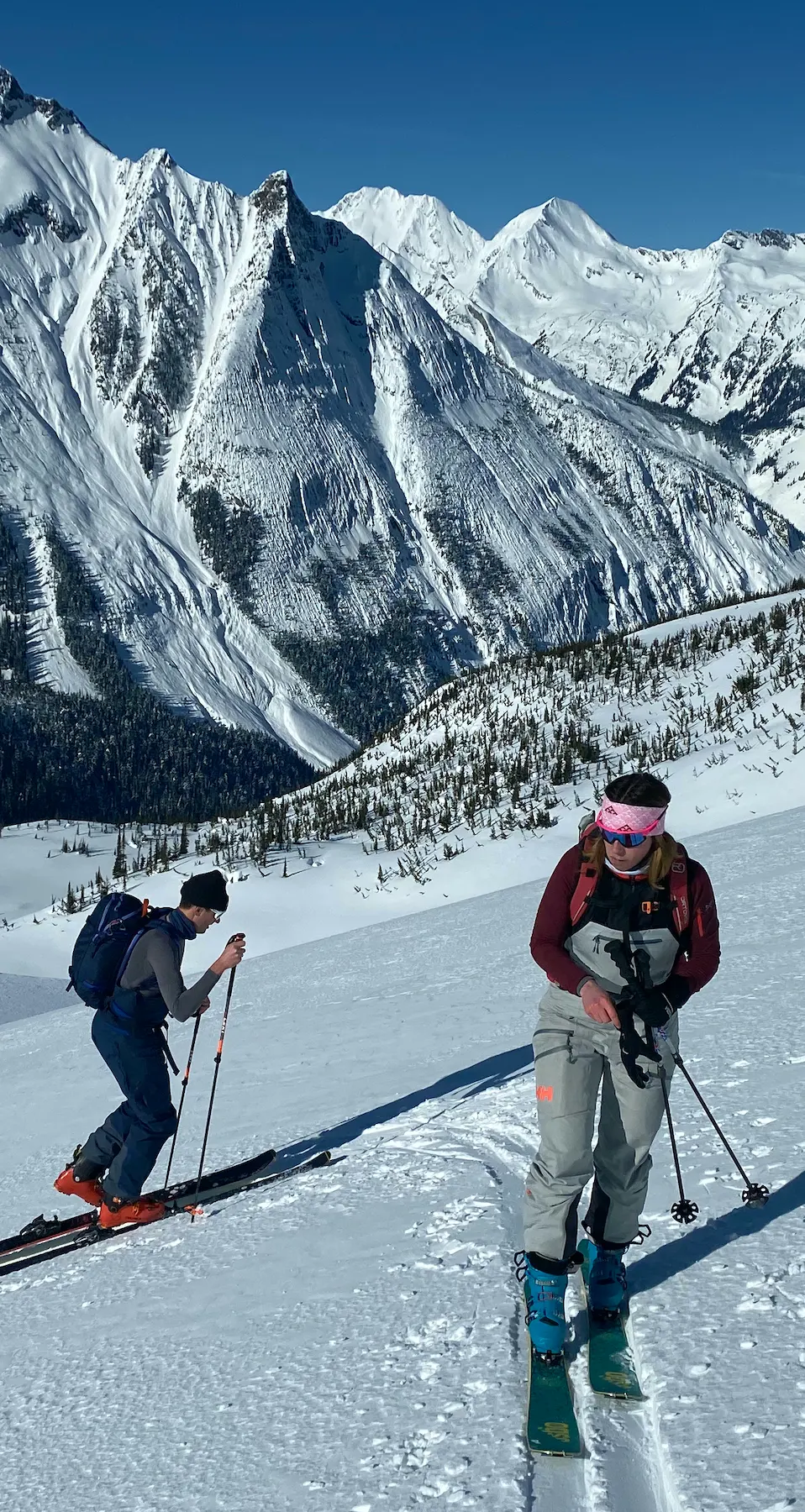
This trip isn’t suited for beginner ski tourers or splitboarders. The terrain here is big, and many of the zones we access require significant travel and elevation gain; there’s not much in the way of “low-hanging fruit.” A typical tour includes about 1,350 metres of elevation gain and loss over a distance of 10 kilometres. On longer days, that can increase to around 1,400 or 1600 metres of climbing and up to 14 kilometres of travel, or even more if you have the legs. Keep in mind that roughly half of the distance is spent skiing downhill or gliding through valley terrain.
Fitness & Movement Skills
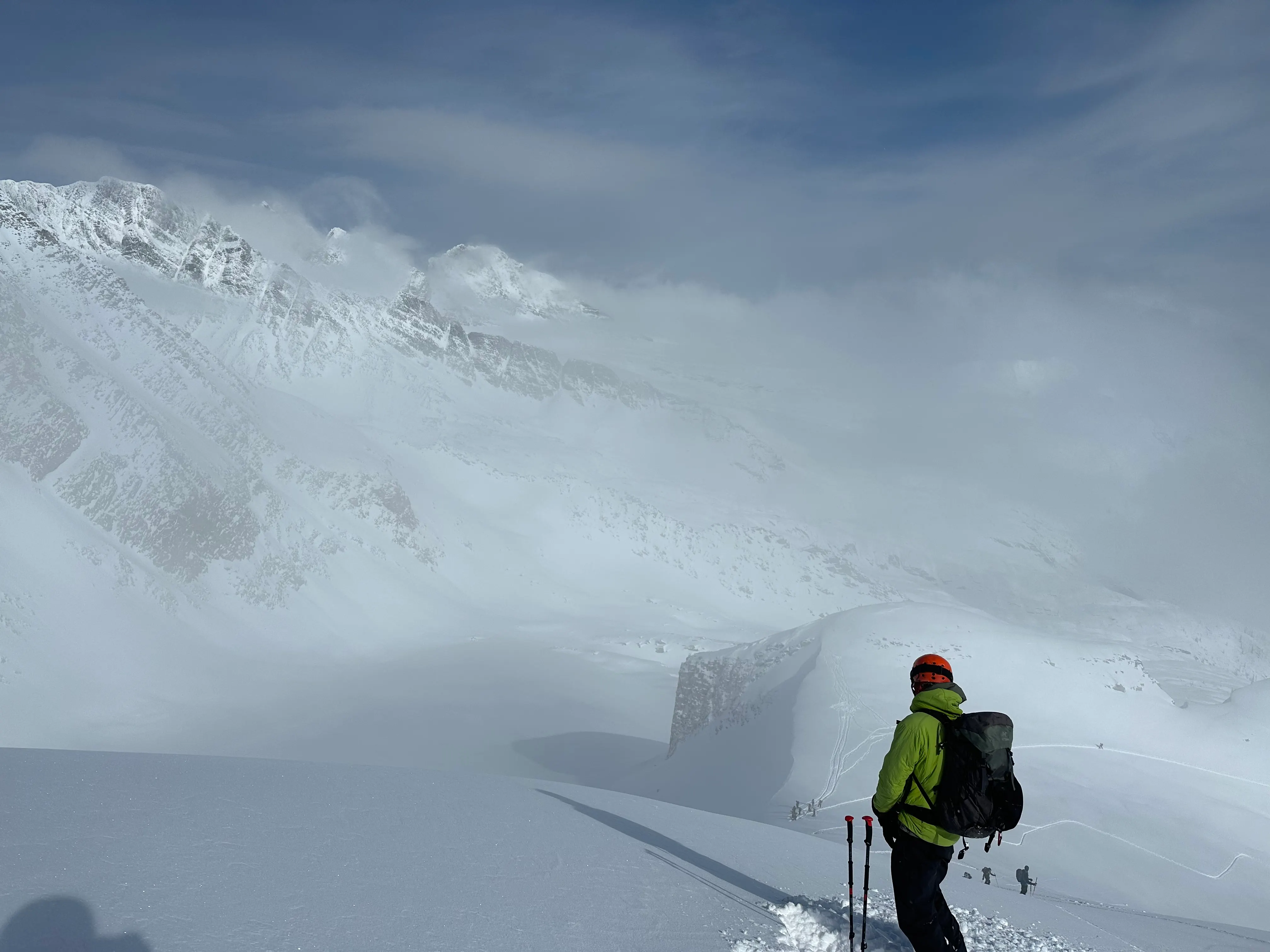
It’s important to have the endurance to stay strong throughout the day and the skills to move efficiently on the skin track. Most of the time, I can set a reasonably gentle, well-graded uptrack, but in steeper or more constrained terrain, that’s not always possible, and we may encounter the occasional tricky section. I’m not expecting anyone to race up the mountain; we start early and keep a steady, manageable pace. If you’ve got the fitness and the movement skills, the rewards are well worth the effort.
Glacier Travel & Boot Packs
Many of our tours involve glacier travel, though you don’t need to bring glacier rescue gear or have technical rope skills. By this point in the season, the glaciers are generally well covered, and crevasse bridges are reliable. On rare occasions, in more broken terrain, we may travel roped up. I’ll provide ropes, harnesses, and manage any technical sections.
Some tours may also involve a short boot pack up a final headwall to reach a high pass or summit. The snow is usually soft in these sections, and where needed, I’ll use a belay or short-roping techniques to provide fall protection and ensure your safety.
Snow Conditions: Stability Meets Powder Quality
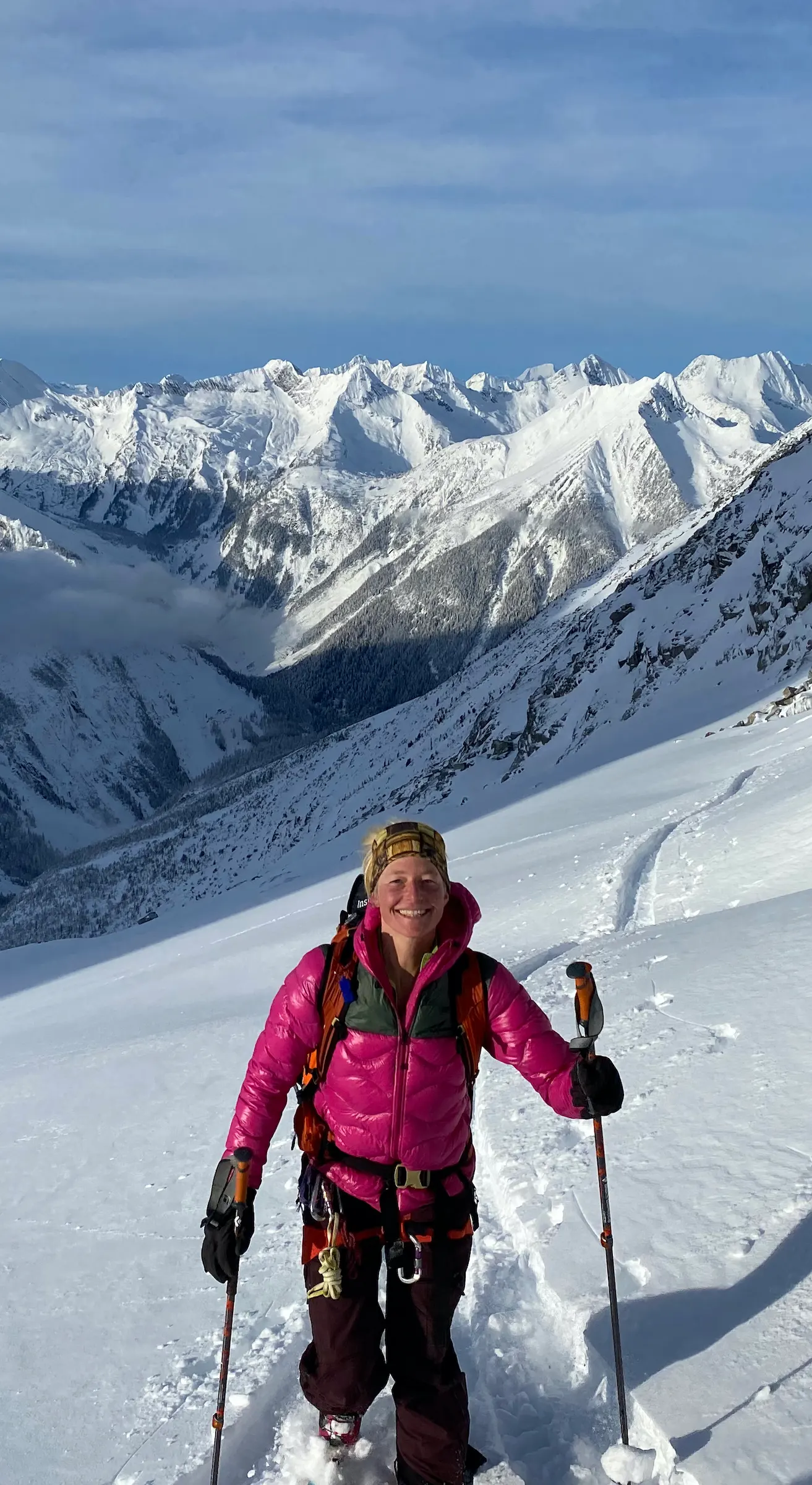
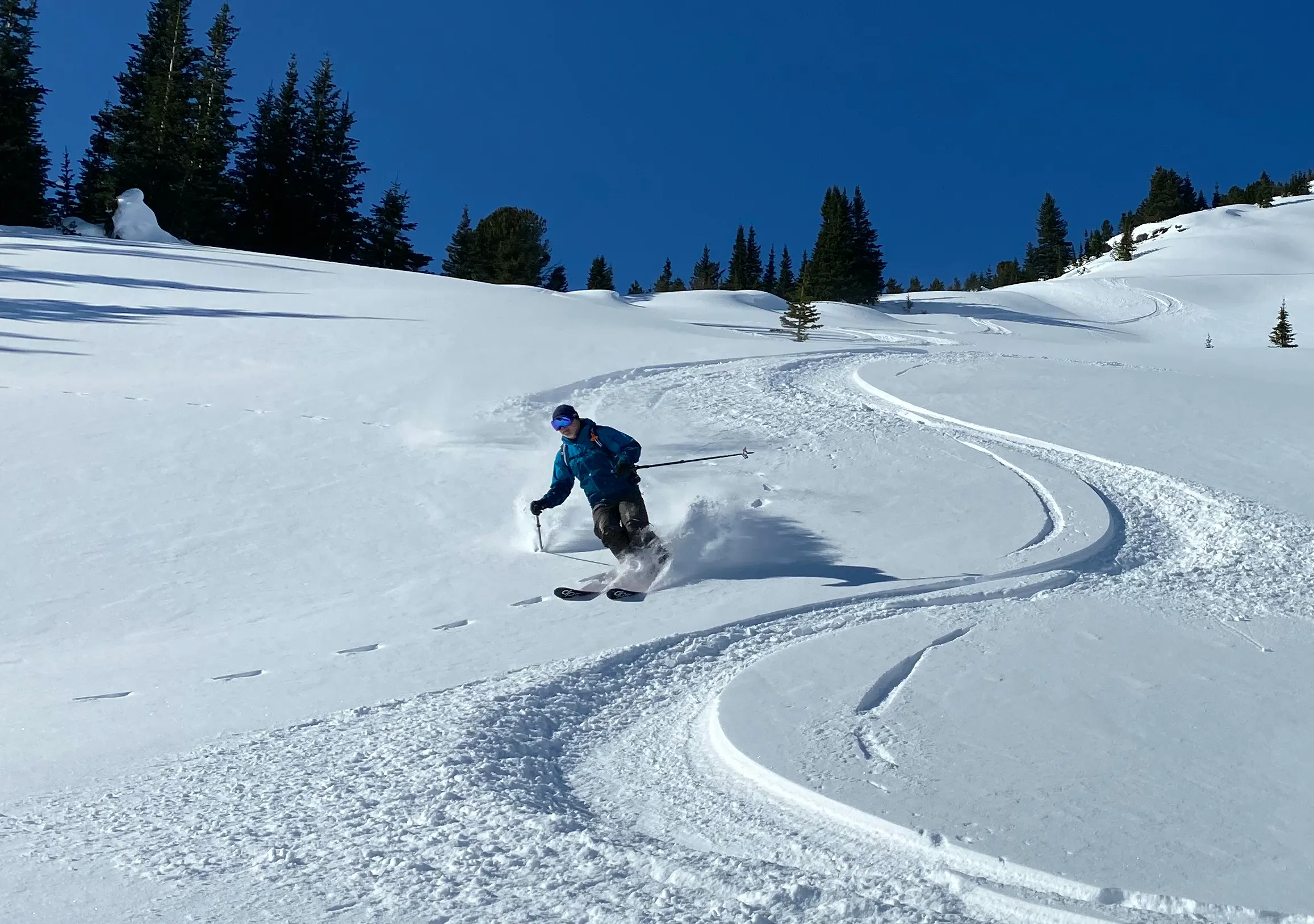
This is an interior snowpack, ideally balanced between stability and powder quality. It’s neither wet and heavy like a coastal snowpack, nor as dry and faceted as the more continental snowpack found in places like the Canadian Rockies. Around this time of year, Rogers Pass typically offers high-quality snow, often ranging from boot-top to knee deep powder, depending on how recently it last snowed. Thanks to the lower moisture content and generally cooler interior air mass, the snow tends to stay light and dry, rather than settling into the denser “coastal pow” texture.
Of course, the interior ranges aren’t immune to persistent weak layers. However, in my experience, Rogers Pass tends to fare better when it comes to the development and longevity of surface hoar, especially compared to other parts of the Selkirks closer to the Columbia River basin, the moisture-laden Monashees, or the drier Purcells. This might be due to increased air movement at the higher elevation of the pass, or possibly because there's less available moisture this far away from the Columbia River.
Revelstoke. Blue-Collar Roots, & Mountain Town Vibes
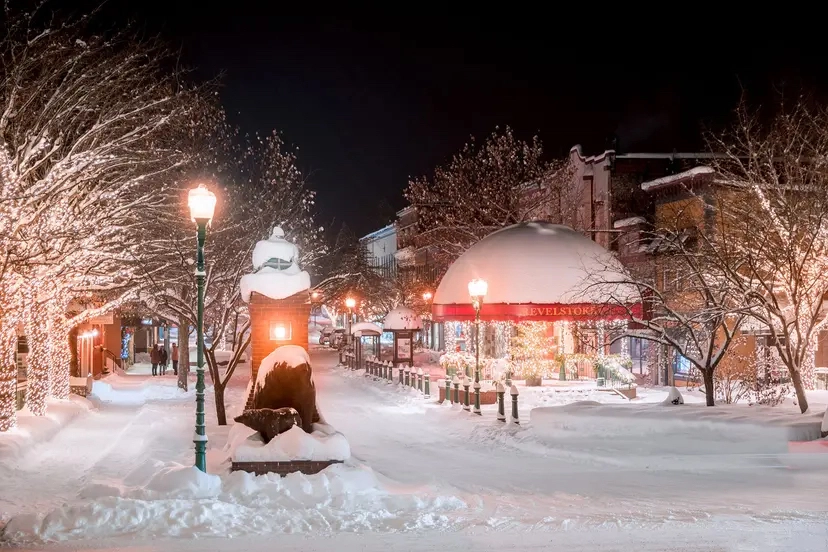
Our base for this trip is Revelstoke, a small mountain town perched on the banks of the Columbia River, nestled between the Selkirk Mountains to the east and the Monashees to the west. Once a blue-collar hub for logging and railway operations, Revelstoke has evolved into a vibrant, eclectic community. Today, it blends mountain sport culture, a dedicated two-stroke crowd, and a surprisingly rich arts scene. The town’s economy is deeply rooted in backcountry skiing—supported by heli- and catskiing operations, Revelstoke Mountain Resort, and nearby park administration—alongside ongoing rail yard work, logging, and a major sawmill. Year-round tourism continues to grow, and a wave of entrepreneurs is leaving its mark on the community.
Our base for this trip is Revelstoke, a small mountain town perched on the banks of the Columbia River, nestled between the Selkirk Mountains to the east and the Monashees to the west. Once a blue-collar hub for logging and railway operations, Revelstoke has evolved into a vibrant, eclectic community. Today, it blends mountain sport culture, a dedicated two-stroke crowd, and a surprisingly rich arts scene. The town’s economy is deeply rooted in backcountry skiing—supported by heli- and catskiing operations, Revelstoke Mountain Resort, and nearby park administration—alongside ongoing rail yard work, logging, and a major sawmill. Year-round tourism continues to grow, and a wave of entrepreneurs is leaving its mark on the community.
Your Accommodation in Revelstoke.
Private Condo
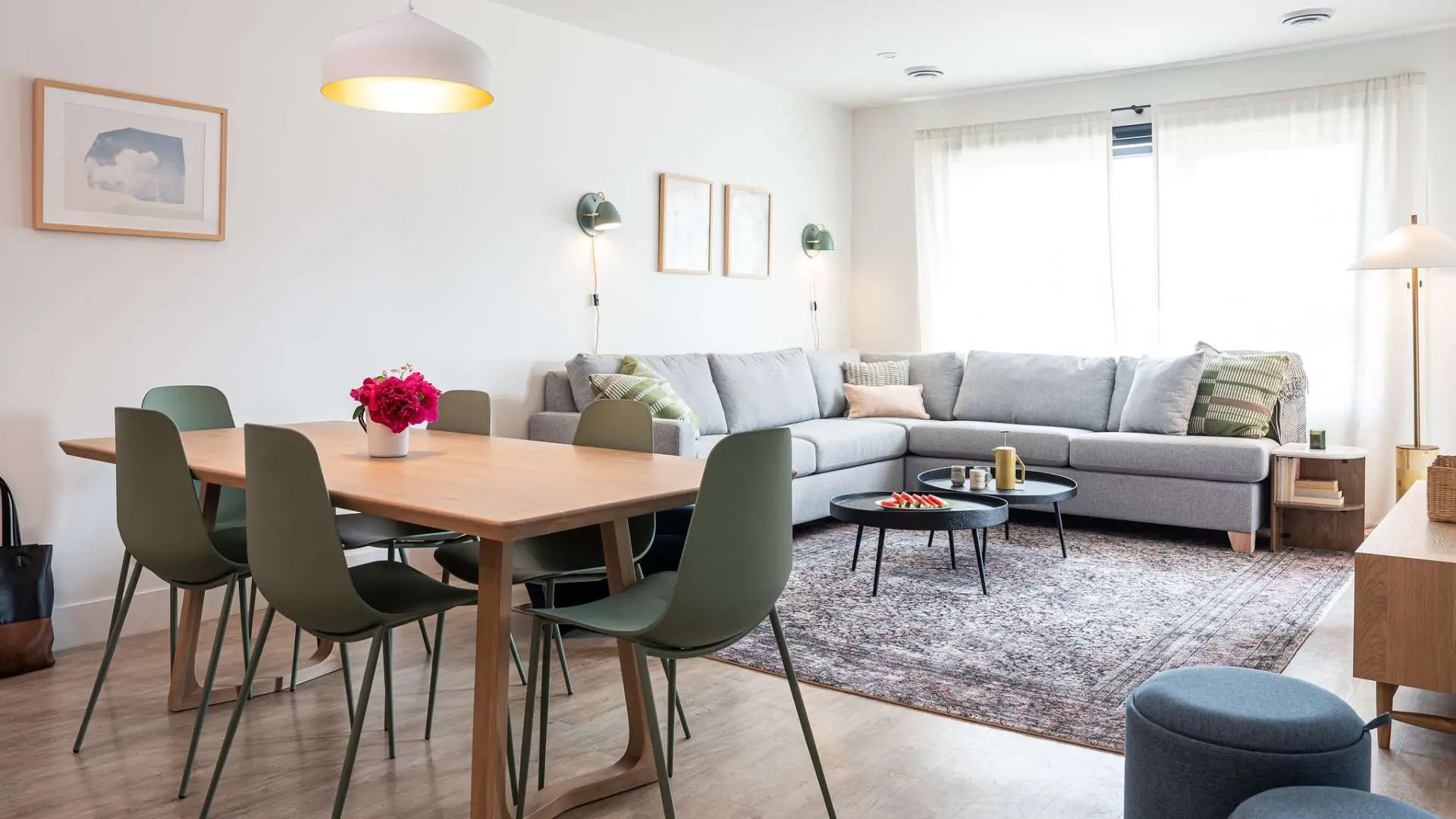
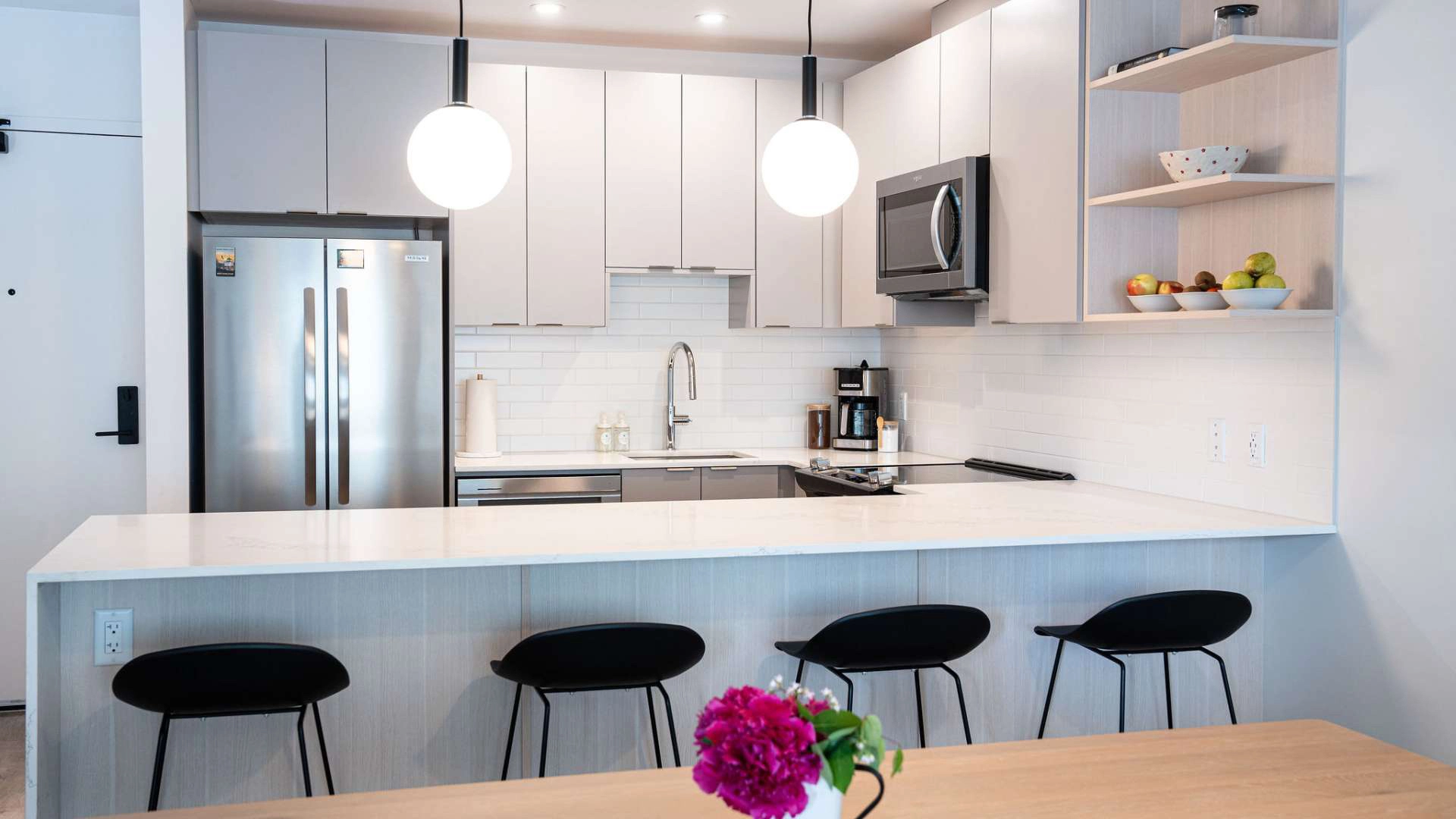
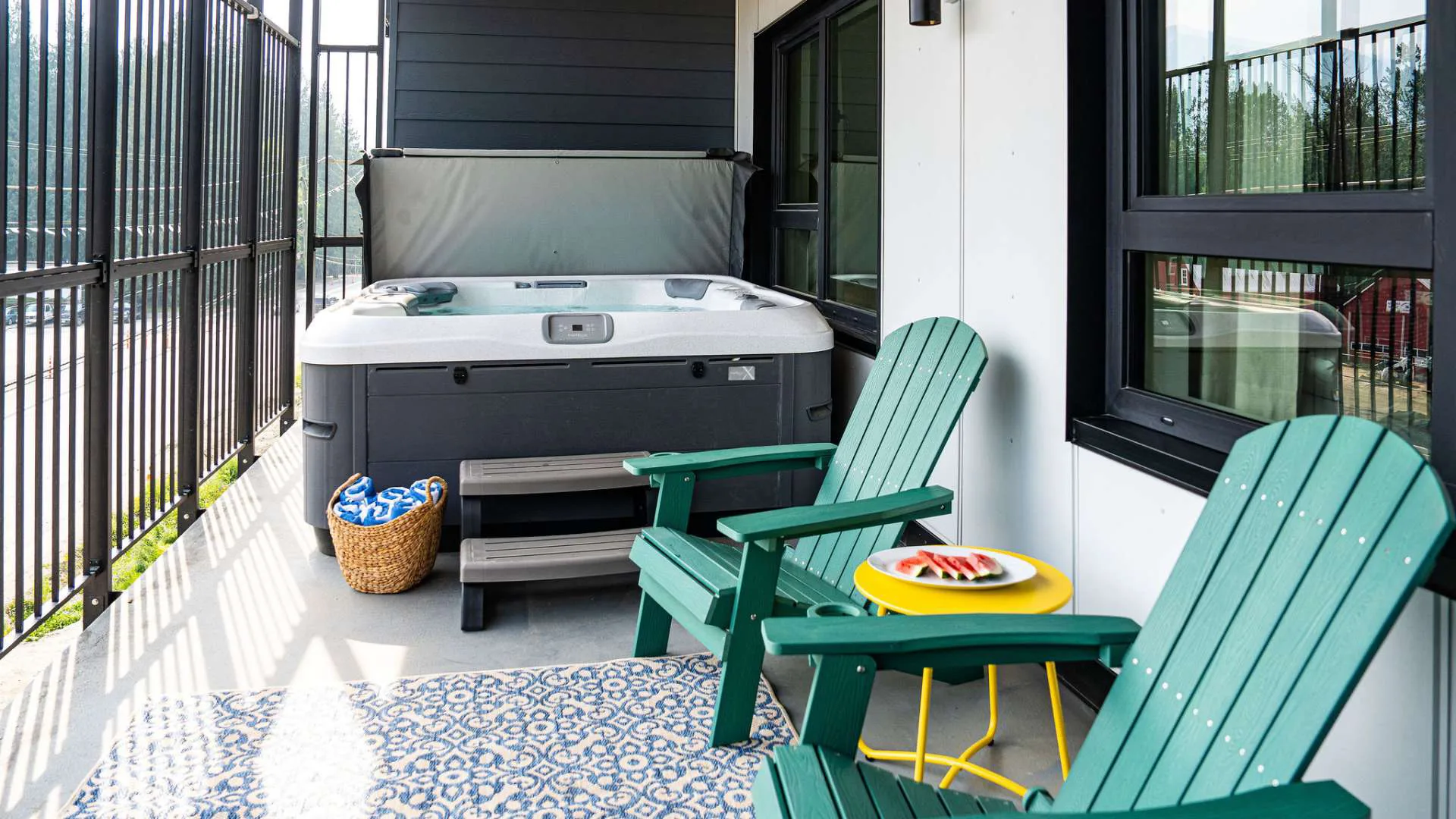
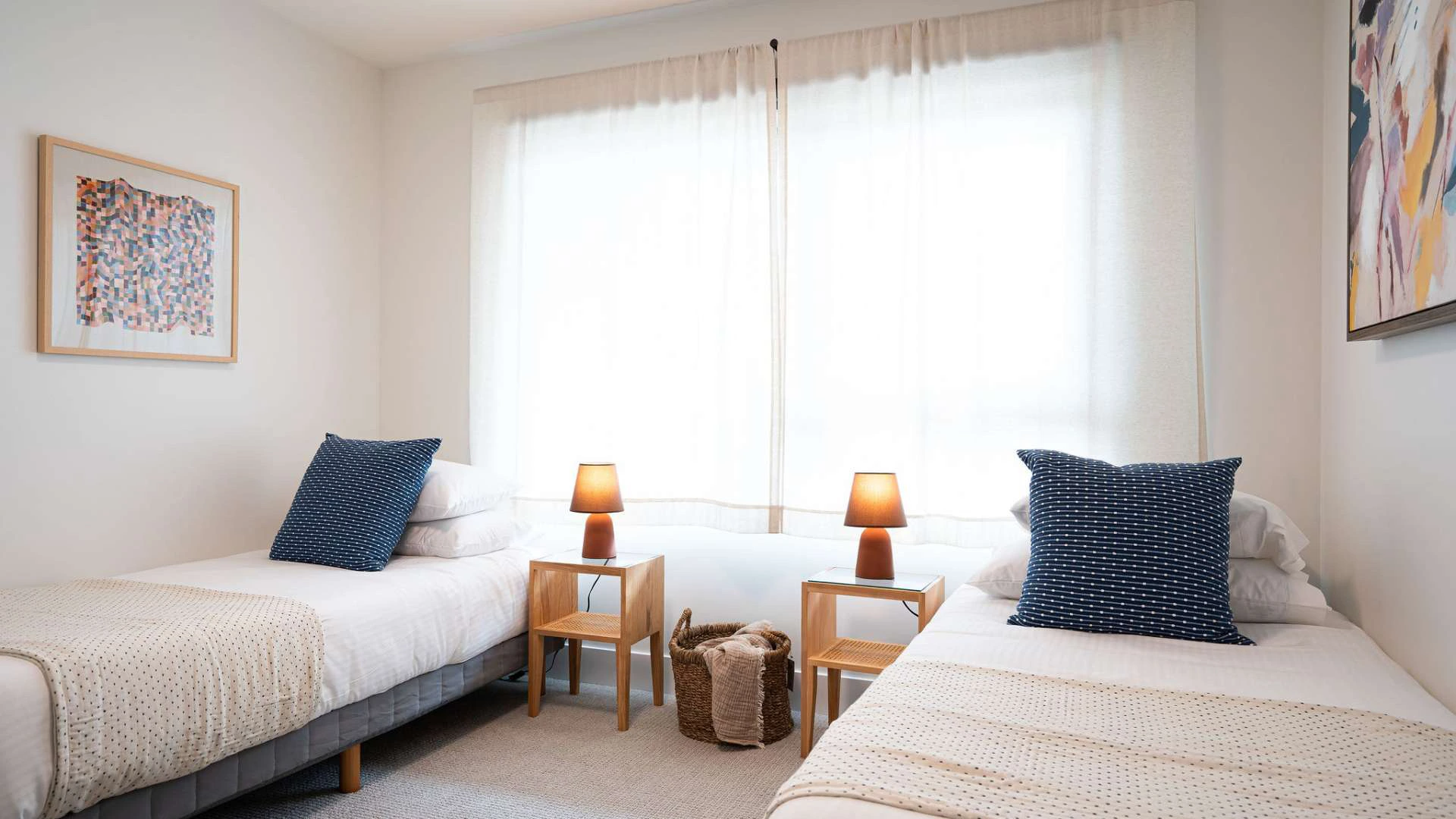
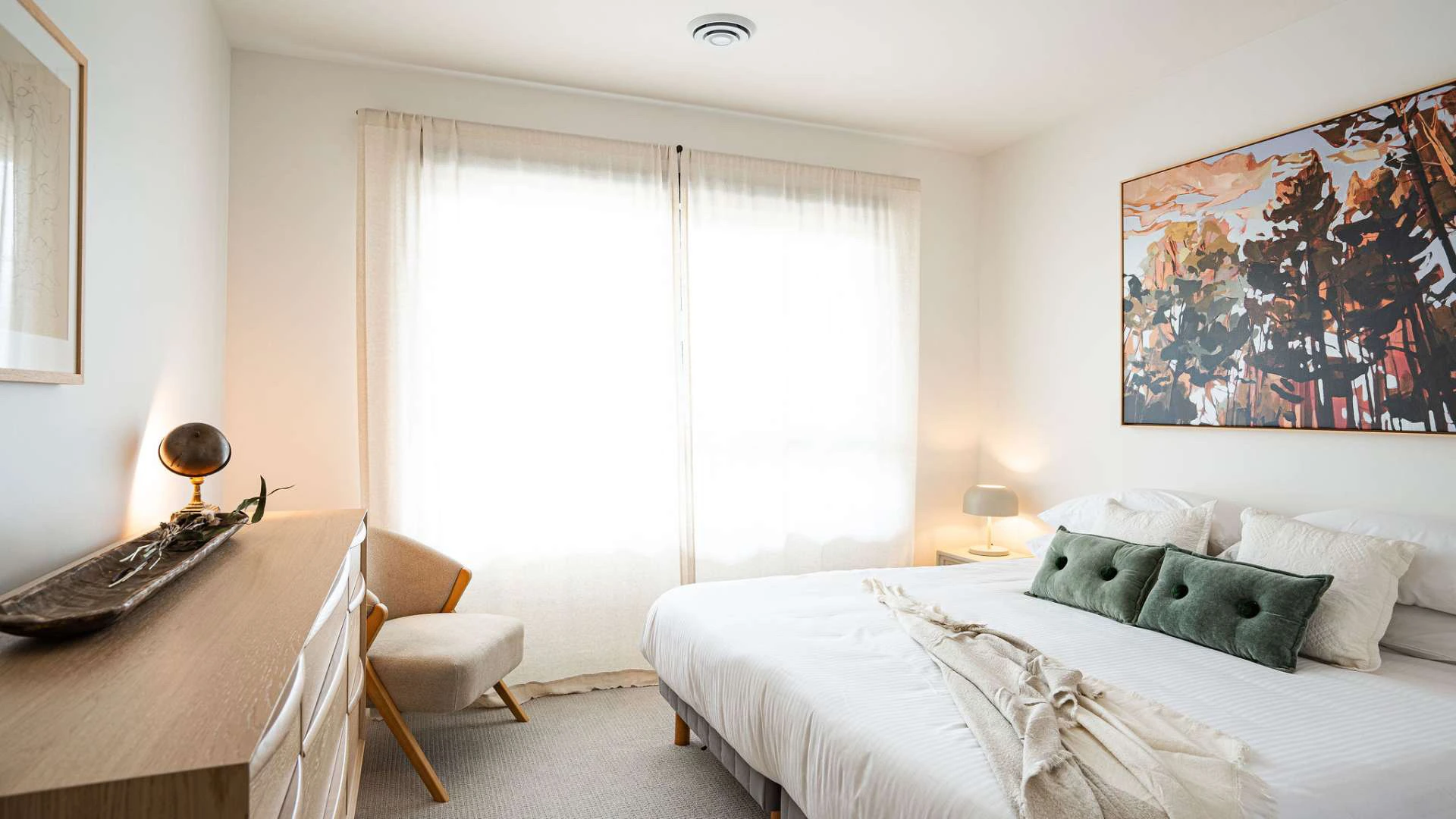
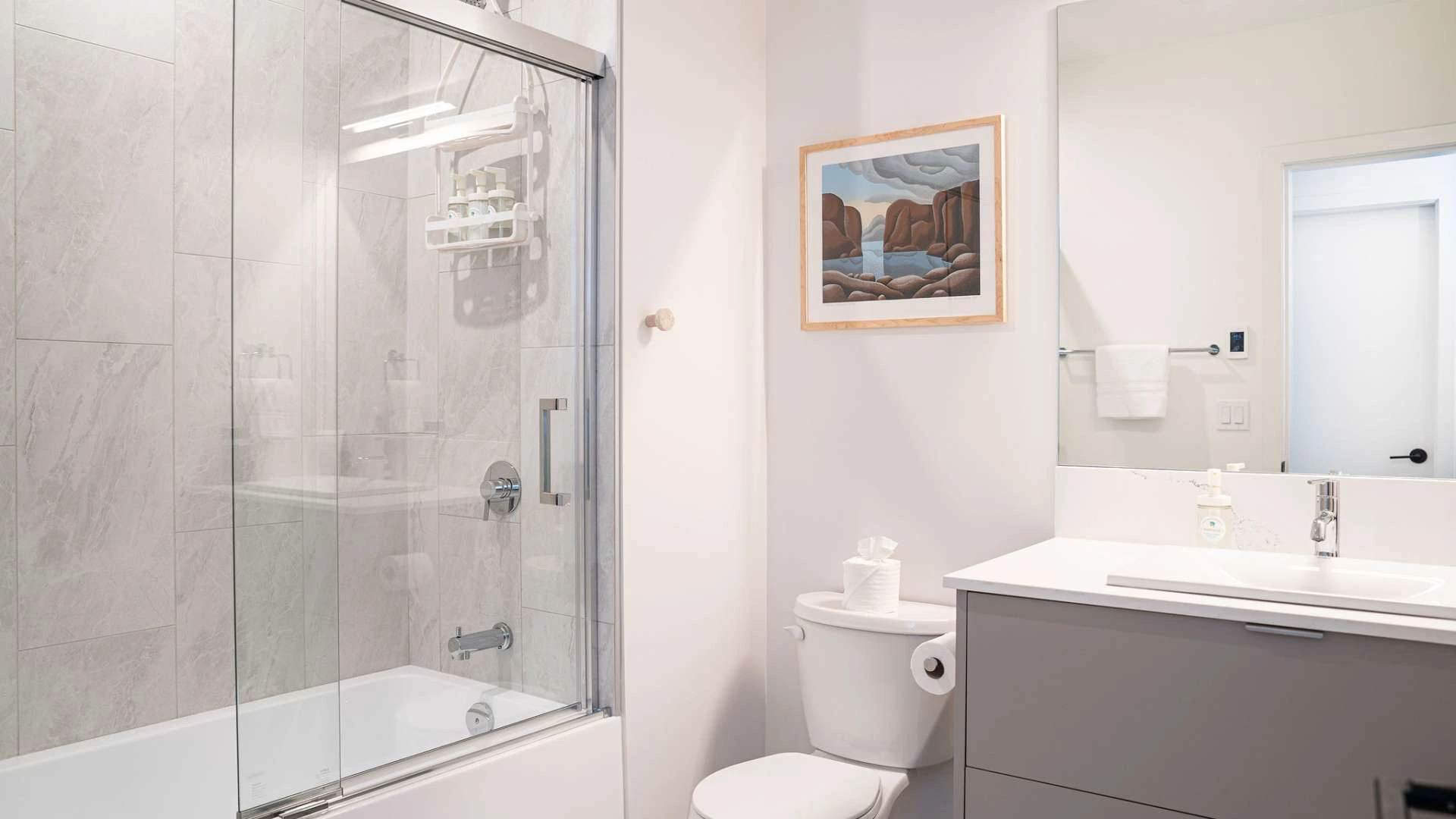
You will be staying in this beautiful condo minutes from downtown Revelstoke. The Condo features two double occupancy rooms, suitable for two couples or four singles, and is equipped with a modern kitchen, two full bathrooms, underfloor heating, a cozy lounge, and a hot tub on the deck.
The 6-person group uses the same accommodation setup, with the third "bedroom" being the living room, equipped with a pull-out sofa bed and a cot.
For more details, see the FAQs and Group Options & Logistics sections.
Your Guide
Will Mackaness
ACMG Ski Guide & Founder of Backcountry Alchemy
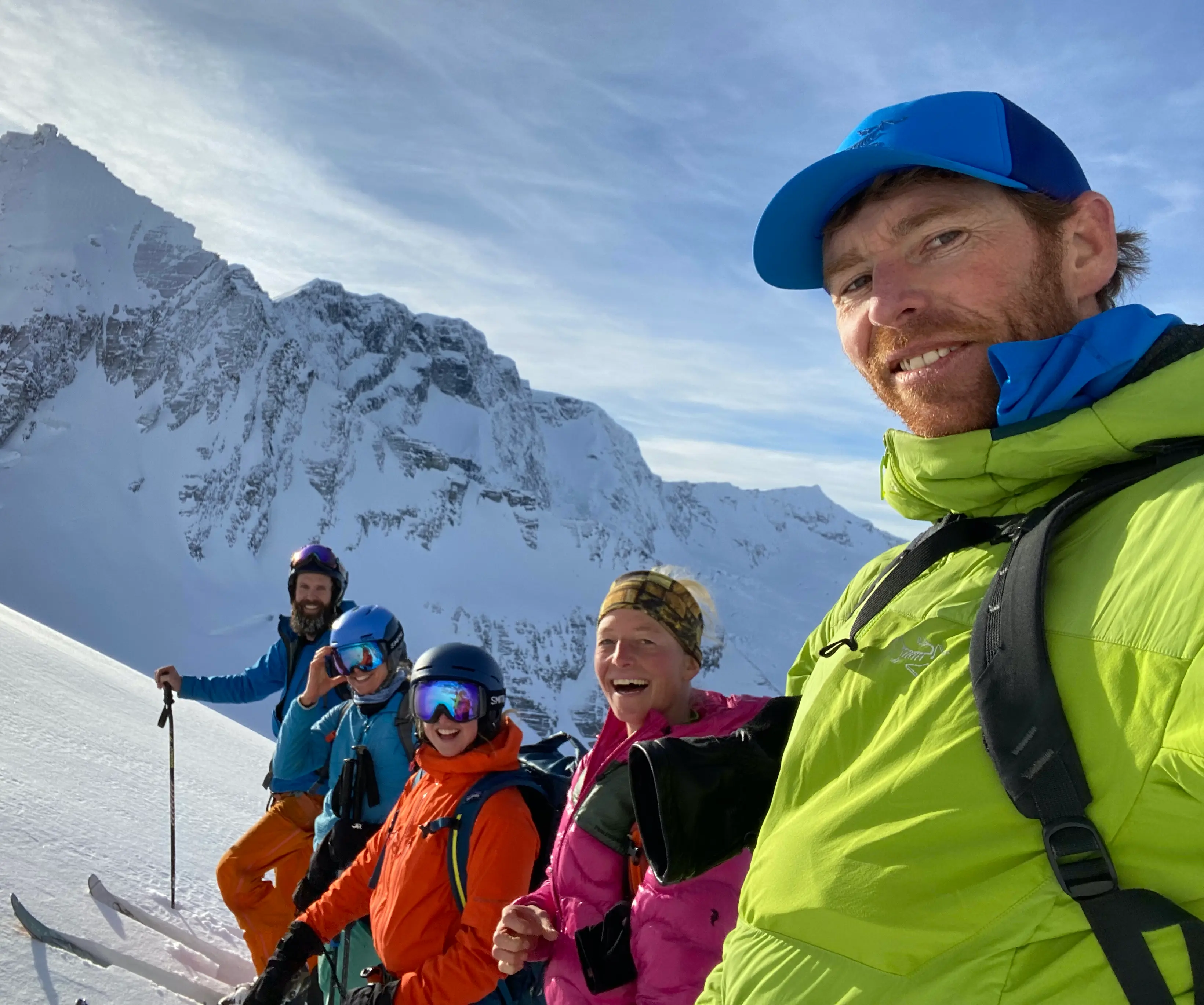
Will is an ACMG-certified ski guide who has been skiing and riding in Rogers Pass since 2002. “I genuinely love ski guiding in Rogers Pass. This place demands your attention and fine-tunes your big mountain skills. It’s deeply motivating to share this spectacular zone with guests from around the world.” Will’s guiding style is client-focused, flexible, and informed by years of local experience. He prioritizes safety, snow quality, interesting skiing and riding, adventure and exploration, and just having fun. See the [About] page for a full bio and guiding background.
Will Mackaness
Will is an ACMG-certified ski guide who has been skiing and riding in Rogers Pass since 2002. “I genuinely love ski guiding in Rogers Pass. This place demands your attention and fine-tunes your big mountain skills. It’s deeply motivating to share this spectacular zone with guests from around the world.” Will’s guiding style is client-focused, flexible, and informed by years of local experience. He prioritizes safety, snow quality, interesting skiing and riding, adventure and exploration, and just having fun. See the [About] page for a full bio and guiding background.
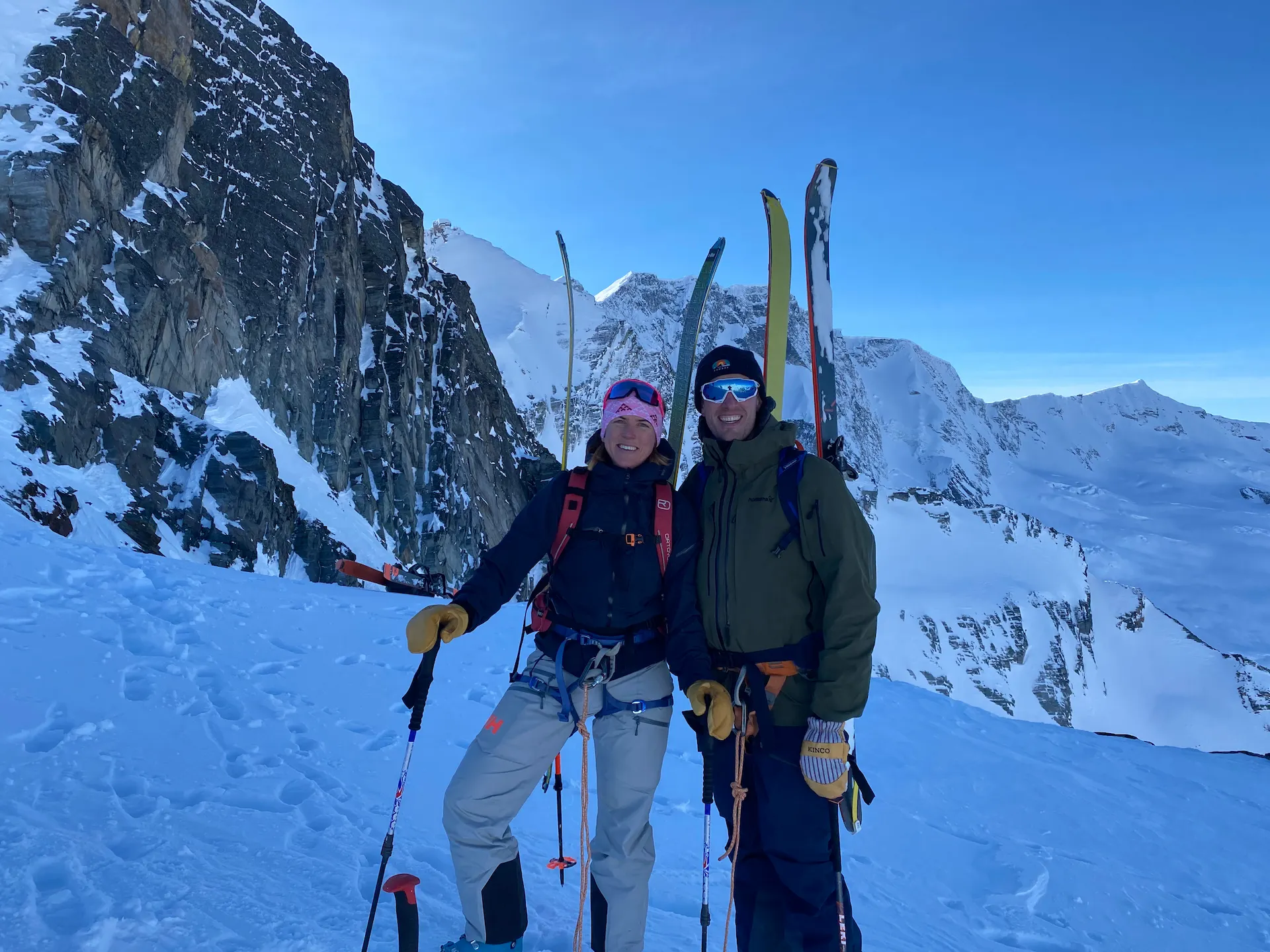
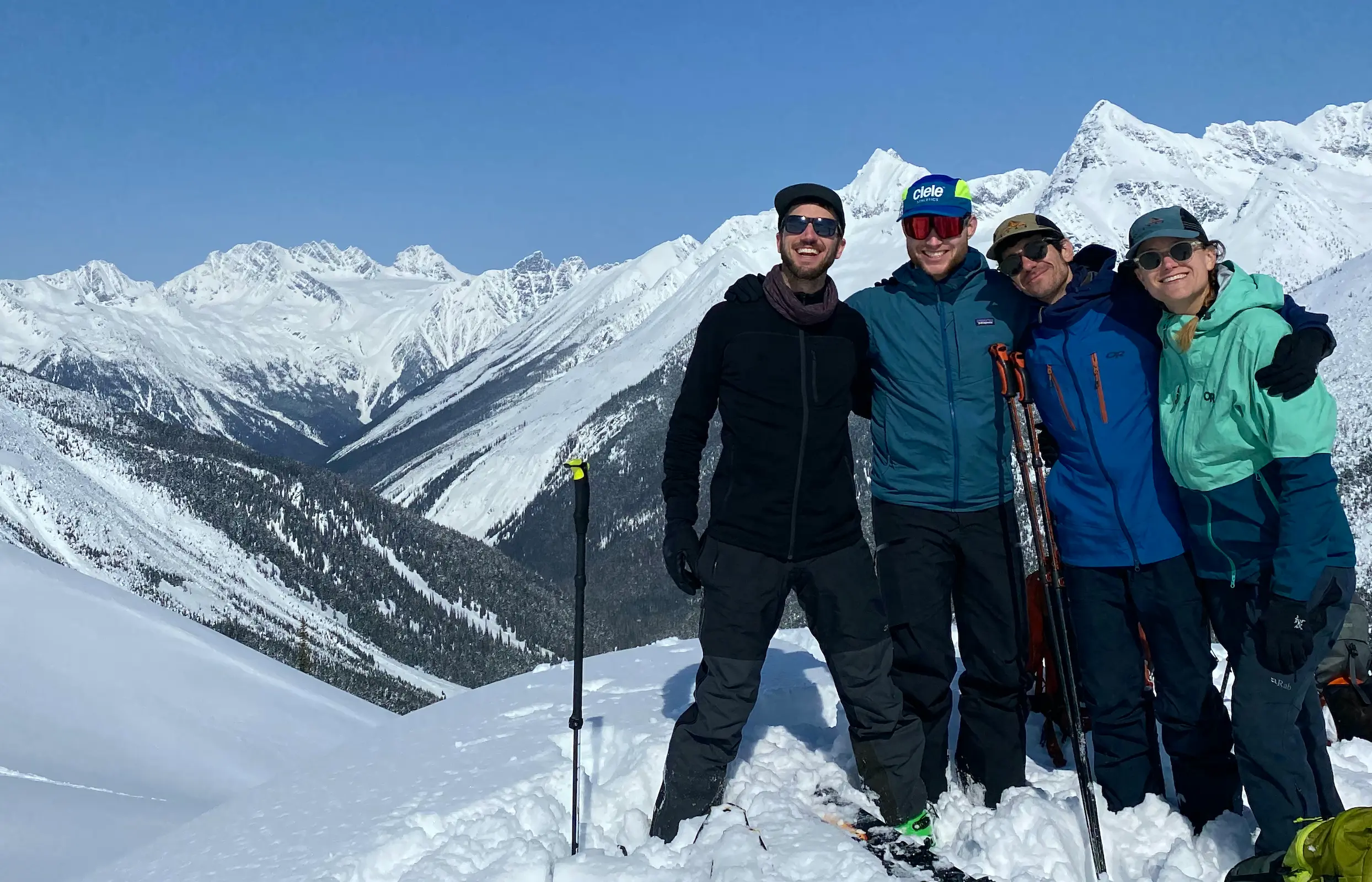
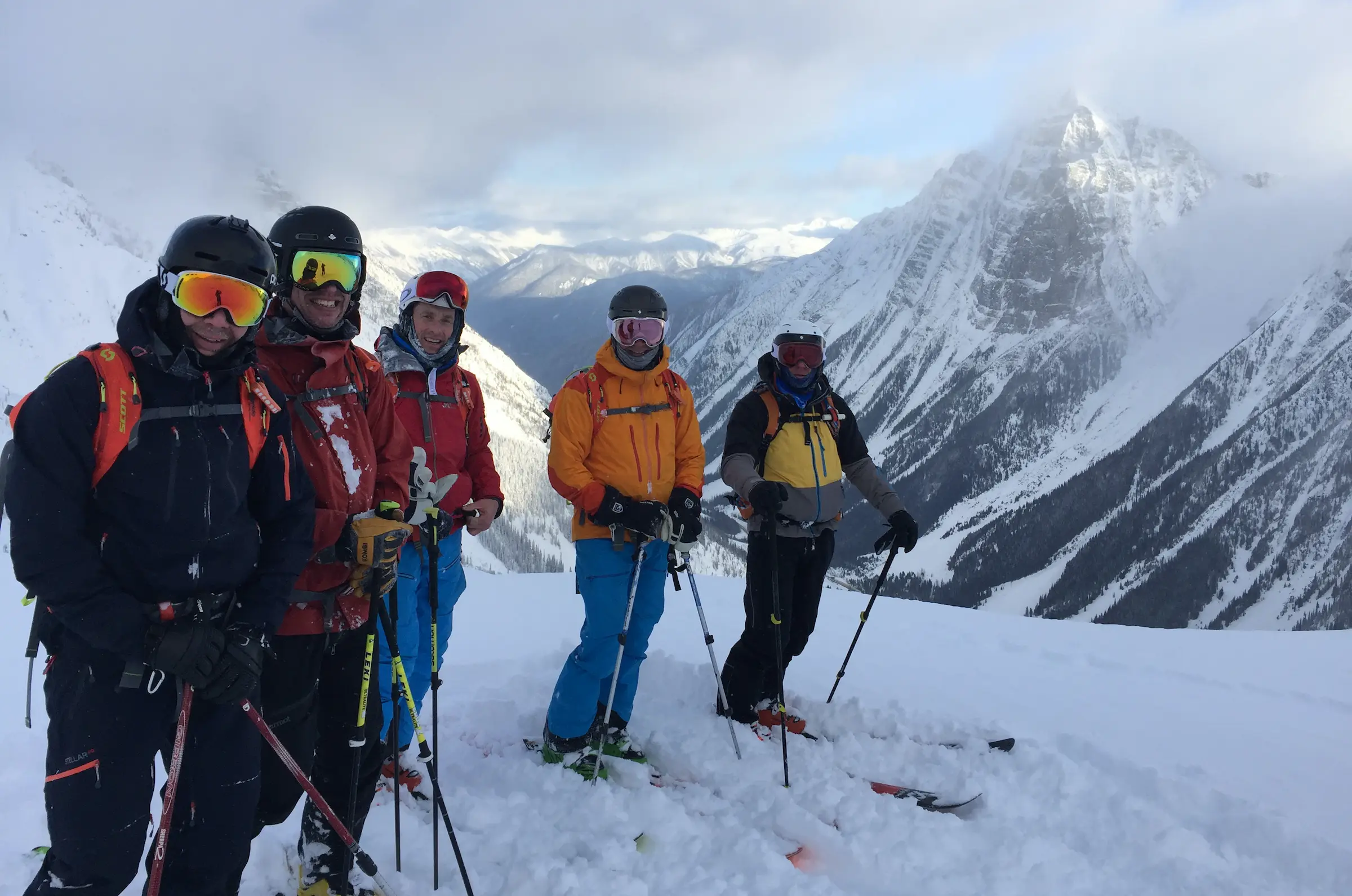
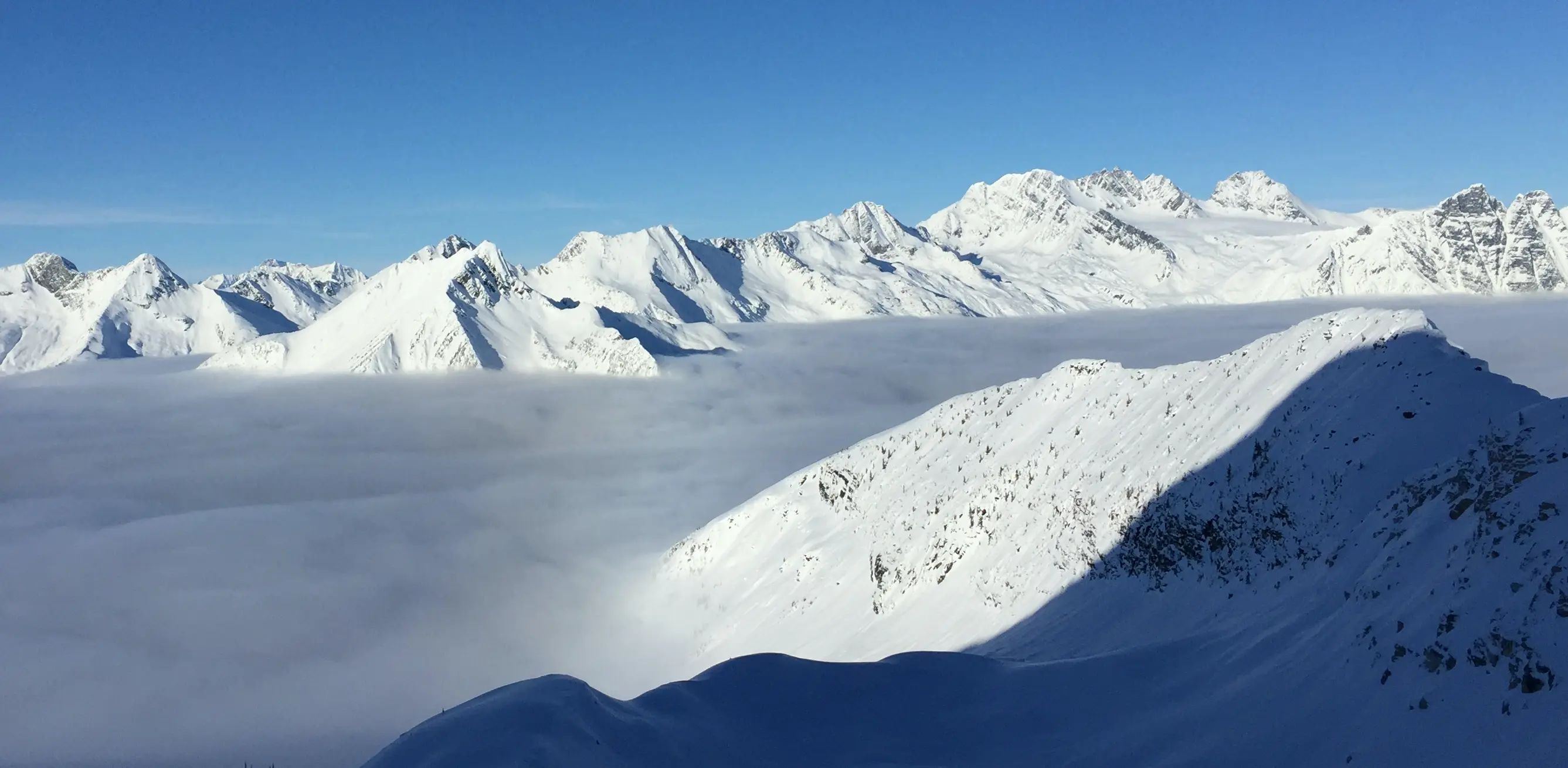
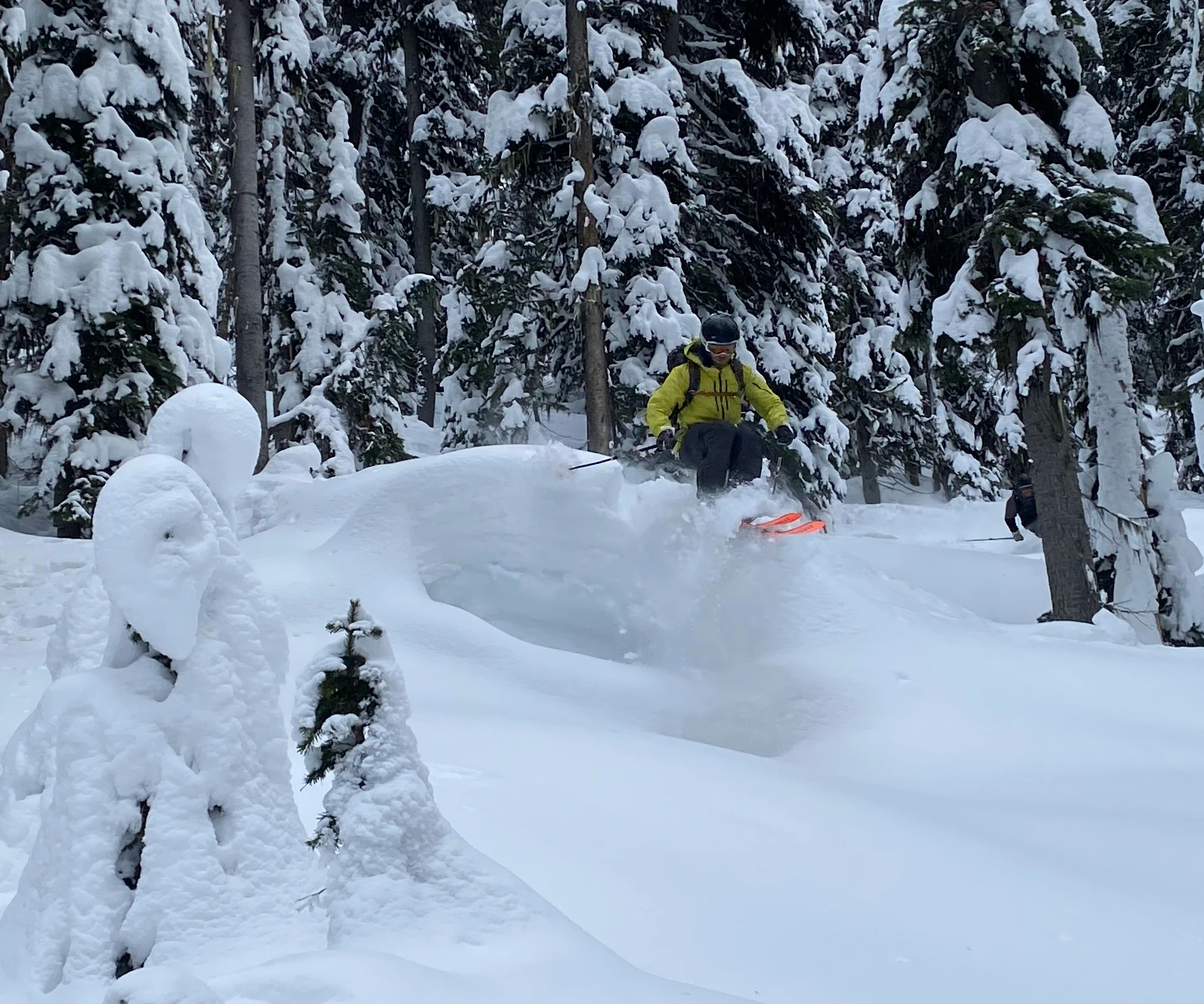
Photo Gallery: Highlights from Past Trips


.webp)
.webp)
.webp)

.webp)
.webp)
.webp)
Client Testimonials & Trip Reviews
Guided Backcountry Ski Tours Trips in Rogers Pass, Canada
Frequently Asked Questions
Group Options & Logistics
Trip pricing varies depending on group size.
Depending on the trip date, the tour is open to either a group of 4 or 6 guests, with one guide—resulting in a guide-to-client ratio of either 1:4 or 1:6
Guide-to-client ratio varies by trip date:
- 1:4 ratio (for groups of 4)
- 1:6 ratio (for groups of 6)
The 1:6 guide-to-client ratio option is significantly more affordable, as trip expenses are shared among six guests.Please note that accommodations are modest for a group of six: the unit includes two bedrooms, with the third sleeping space being the lounge area, which has a pull-out sofa bed and an additional couch.
This trip is designed to make guided backcountry skiing more accessible for those who may not have a large budget but are still looking for a high-quality, professional experience.
For transportation, I use:
- A rented a 5-seater FI50 for the 1:4 group
- A rented 7-seater SUV for the 1:6 group
Both trips are open to solo skiers, pairs, or private group bookings. I created the 1:4 option knowing it's often easier to round up three friends instead of five. Some groups choose to reserve all six spots for their own crew, while others join individually or as a pair. Everyone is welcome.
I love guiding groups of long-time friends reuniting for an annual ski trip, but it’s equally rewarding to see solo skiers and smaller groups bond over the shared experience and build new friendships along the way.
To make sure each trip runs smoothly and is enjoyable for all, I take care to match participants based on:
- Ski touring experience
- Ski or snowboard ability and preference
- Fitness level
This helps ensure the group moves efficiently and everyone gets the most out of their time in the mountains.
Deposit & Payments
Secure your spot with a 50% deposit. The remaining 50% of the trip price must be paid 3 months before your trip start date. If you are booking within this 3 month period the total amount is due.
Payments
You can make payments in your local currency via a bank-to-bank transfer. I use WISE, a secure international currency transfer system to receive payments in multiple currencies, including USD, CAD, EUR, AUD, NZD, and many others. This makes the process simple and convenient and keeps both our fees to a minimum. You will receive instructions and bank account details to make your deposit.
Do I need to sign a Waiver?
Standard ACMG Release of Liability
On this trip you will be skiing in avalanche terrain that is uncontrolled backcountry mountains. Please understand that while your guide is an excellent risk manager, not all risks can be controlled. All participants will have to read, agree, and electronically sign a Release of Liability, Waiver of Claims, and Assumption of Risk and Indemnity Agreement before their trip. By signing this waiver, you agree to accept and assume these potential risks as well as waive certain legal rights, including the right to sue for negligence, breach of contract or breach of the Occupiers liability act or claim compensation following an accident.
A version of this Waiver can be found here: ACMG Waiver (2024-06-24) (Category 1,2,3)
Equipment Rentals
Ski Touring & Split Board Gear
Ski touring equipment such as touring skis, split boards, bindings, and boots are available in Revelstoke. Although it’s recommend to have your own ski touring or snow boarding boots, fitted to your particular feet. Rental equipment is medium quality and it tends to rent out quickly.
Avalanche Safety Gear
You can also rent full avalanche safety kits from a number of local shops. These typically include:
- Avalanche airbag backpack - not recommended due to the extra weight of the pack.
- Transceiver
- Shovel
- Probe
I'm happy to recommend trusted rental shops in Revelstoke where you can find this equipment. Once you’ve chosen a store, you’ll need to make your booking directly through their online system.
Larger Groups & Age Requirements
Larger Groups
Larger private groups can be accommodated for ski touring in Rogers Pass. If you're interested, please contact me in advance. Early notice is essential so I can arrange for an additional certified guide who is familiar with the terrain.
Minimum Age Requirement
Participants must typically be 18 years or older to join this trip.
In some cases, we may consider allowing participants under 18, provided they are accompanied by a parent or legal guardian. This will be assessed on a case-by-case basis.
Safety in Canada, ACMG Guides & Rescue Insurance
Safety is the top priority on all of my guided trips. I always select the terrain to match both the current avalanche hazard and the skiing or riding ability of the group. As an ACMG-certified guide, my primary role is that of a risk manager. This means not only assessing avalanche danger but also identifying and mitigating any other potential hazards that could lead to injury.
Each trip begins with a refresher on avalanche companion rescue, a hands-on practice session, and an orientation that highlights the unique risks of the Rogers Pass backcountry ski environment. Every day, I choose the most suitable skiing option based on current weather, snowpack, and avalanche conditions.
Throughout the trip, I’m always happy to discuss avalanche conditions, explain how I assess and choose terrain, or talk through any other aspects of my risk management approach.
ACMG Guides & Information sharing
The Selkirk mountains could be one of the most data rich areas in Canada. The avalanche control team that protect the Trans-Canada highway and the National Parks visitor safety specialists make detailed observations of the snowpack, avalanche activity and weather on a daily basis, Glacier national park is also surrounded by several large Heli Ski operations, as well as Heli access backcountry lodges.
All these observations are shared within the guiding industry for better decision making for everyone, and for the purposes of writing the Public Avalanche Bulletin. Originally developed in Canada, this information-sharing and professional meeting platform has become the global standard in avalanche safety.
In short, I operate within a professional community of mountain colleges, collaborating closely and relying on one another to ensure we have the best possible information to support decisions related to your safety and enjoyment in the mountains.
Rescue evacuations
Rescue evacuation of a none mobile patient is handled by Parks Canada Visitor Safety specialists, who are full time ACMG ski or mountain guides who are practiced in responding to this type of incident.
Travel Insurance Recommendation
We strongly recommend that all trip participants purchase comprehensive travel insurance that includes:
- Guided backcountry skiing
- Emergency rescue (including helicopter evacuation)
- Medical coverage in case of injury
Please note that many standard travel insurance policies do not cover these types of activities. Be sure to confirm that your policy includes all necessary coverage before your trip.
Who is this trip for?
This trip is for intermediate to advanced backcountry ski tourers. More than anything, it’s for individuals with strong fitness who want to make the most of their time in the Rogers Pass terrain, putting in big days in the alpine to access spectacular tours and rewarding descents.
You’ll need the skiing skills to enjoy long powder descents, but the terrain itself is generally not complex or highly technical. We typically travel through wide-open alpine terrain, with the potential for short or tight features or trees and possible a “luge” type trail at the end. There are often options to choose steeper or more technical or playful ski lines, for those with strong skiing skills. And If you have the legs there’s no shortage of bigger objectives.. At a minimum you should be confident skiing blue to black diamond terrain in untracked boot top height or so interior quality powder.
My guiding Style
I will set a steady, conversational uphill pace, establishing efficient skin tracks using the terrain to our advantage. This isn’t a race up the mountain. Each day is thoughtfully paced to achieve the objective, with plenty of breaks for food, water, and transitions.
If we encounter more technical sections, I’ll walk you through them step by step, including harness use and glacier travel etiquette. If boot packing is needed, it’s usually short, steep sections in soft snow, and I can provide a roped belay or short roping as needed.
There’s lots of room for learning and progression on this trip. I’m passionate about helping you build confidence, push your boundaries, and develop your skills in a safe and supportive environment.
With years of experience working in this terrain, I love sharing what I’ve learned, whether it’s efficient trail breaking, smart track setting, refining your soft snow skiing technique, or handling more technical terrain features with control and confidence.
What to bring?
For technical backcountry ski touring gear, you will need to bring:
- Powder-specific touring skis (with a waist size of 100mm or so) or splitboard
- Precut adhesive climbing skins
- Tech bindings - because they are lightweight and ergonomic (No frame bindings)
- Touring specific boots, with proper walk mode, not a crossover or slack country boot with a poor walk mode
- Adjustable poles with powder baskets
Avalanche safety equipment
- Digital, 3-antenna avalanche transceiver or beacon
- Lightweight snow shovel (no plastic blades)
- Avalanche probe (2.7 - 3m)
Glacier / Crevase rescue equipment
If you have this equipment please bring, if not I will supply you with equipment.
- Light weight ski touring harness or climbing harness
- Crevase rescue equipment
For personal items, we recommend bringing:
- Daypack (around a 30-40L backpack)
- Helmet - helmet carry system
- Ski goggles
- Gloves x 2 - a thick warm pair for descending and a lighter pair for skinning
- Warm hat, toque, beanie
- Powder/sun hat - ventilated cap that still keeps your head cool.
- Winter storm shell jacket with hood (Gore-Tex recommended)
- Ski pants (Gore-Tex recommended)
- Down jacket
- Synthetic or wool base layers, underwear and socks
- A buffs incase it’s cold or windy
- Repairs & spares kit (for own model of A/T bindins)
- Headlamp, it's good to bring a headlamp in your pack in case we have an issue, for example, a broken binding later in the day.
- Insulated water bottle or regular water bottle (It’s possible to get away with Camelback or other hydration systems this time of year)
- Thermos for a warm beverage
- Small personal first aid kit - I carry a larger guide first aid kit
- Sunscreen
Other items specific to Revelstoke
- Winter boots - it can be very snowy or very spring like in town. A pair of dinner boots, I bring Bloodstones that can handle a little snow but that are also comfortable in a restaurant.
It’s easy to overpack, most people end up wearing half (or less!) of the street clothes they bring. Remember, this is primarily a guided ski trip, which means your days will revolve around touring, relaxing, and heading out for dinner—and that’s about it!
Send me an email to reserve your spot.
Have more questions, want to have a phone call with your guide? Please don’t hesitate to contact me for clarification of any of the above information or any questions you may have about the trip. I’m more than happy to discuss your powder dreams. Your guide, Will Mackaness